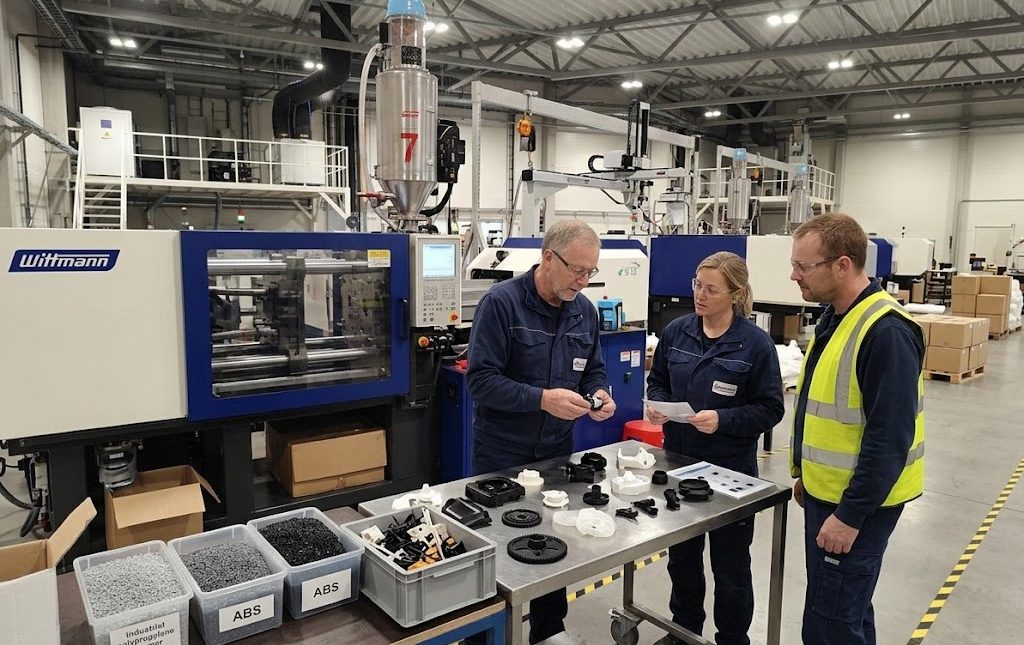
Reducing production costs is more often than not an important consideration for clients that are planning to enlist the manufacturing services of plastic injection moulding companies like ourselves. Finding the balance between bringing about a reduction in production costs whilst maintaining an expected level of quality is a balancing act that companies frequently navigate.
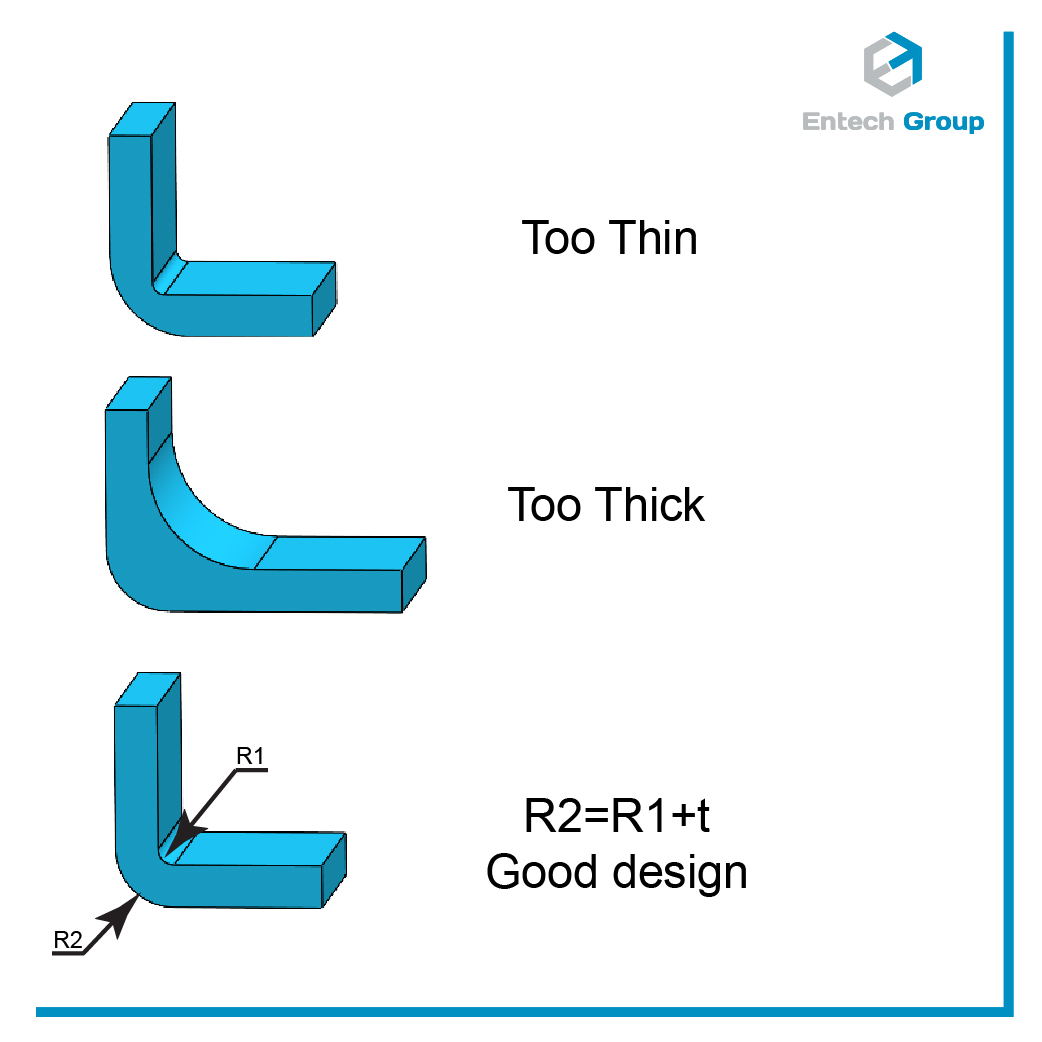
Design for Manufacturing Principles (DFM)
These are principles that are commonplace in engineering and product development. They are a codified engineering methodology which utilises long established principles to ensure that products can be manufactured efficiently, consistently and reliably.
Although DFM aims to improve the manufacturability of a project, it is also used in certain situations to reduce manufacturing costs by optimising component geometry and minimising the unnecessary complexity thereof.
The number of ways in which DFM reduces manufacturing costs in plastic injection moulding often include such things as:
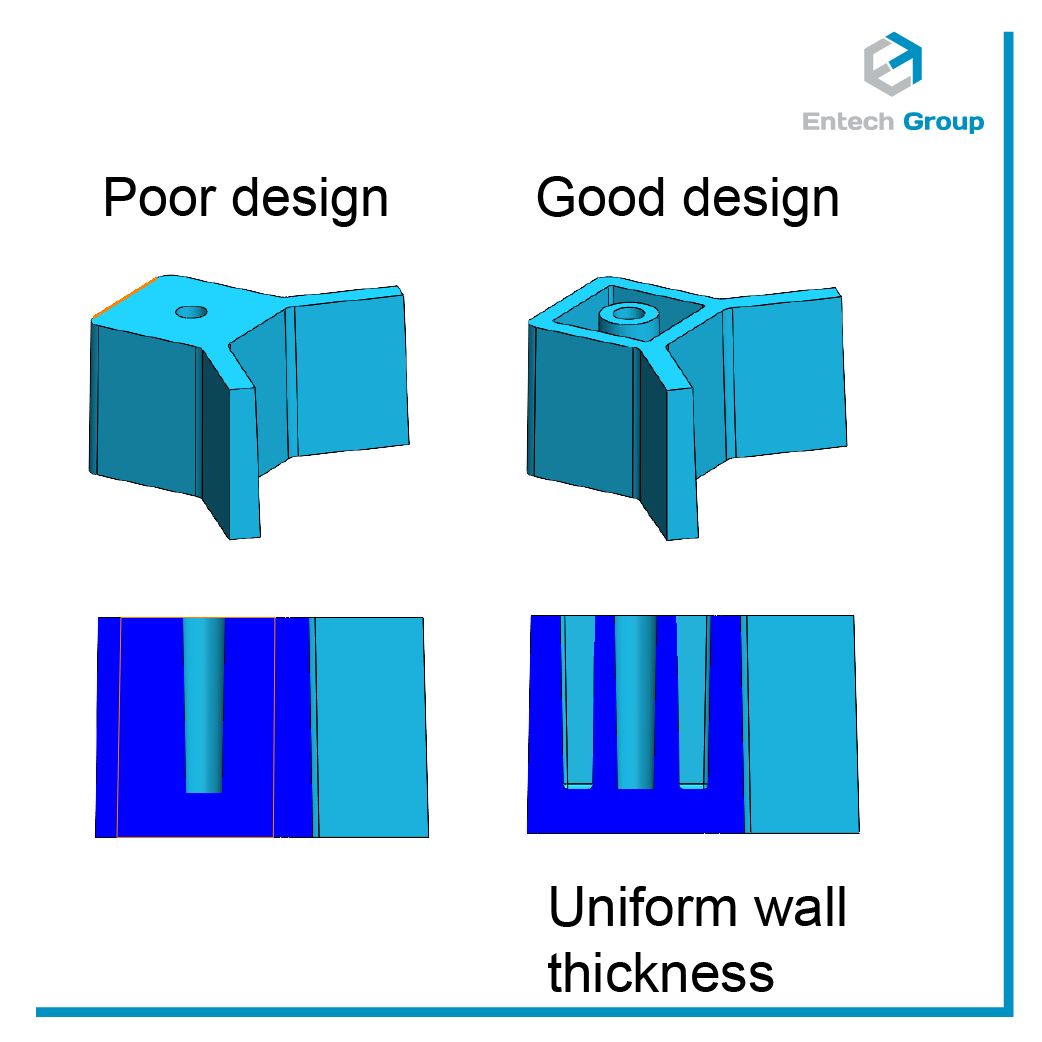
- Maintaining uniform wall thickness to promote consistent material flow and cooling, reducing cycle times, sink marks, warpage, and scrap.
- Minimising material usage by avoiding excessively thick sections and incorporating features such as ribs instead of solid walls where structural rigidity is required. This lowers raw material costs while maintaining component strength.
- Designing appropriate draft angles to allow parts to be ejected easily from the mould, reducing ejection forces, preventing part damage, and minimising mould wear and maintenance costs.
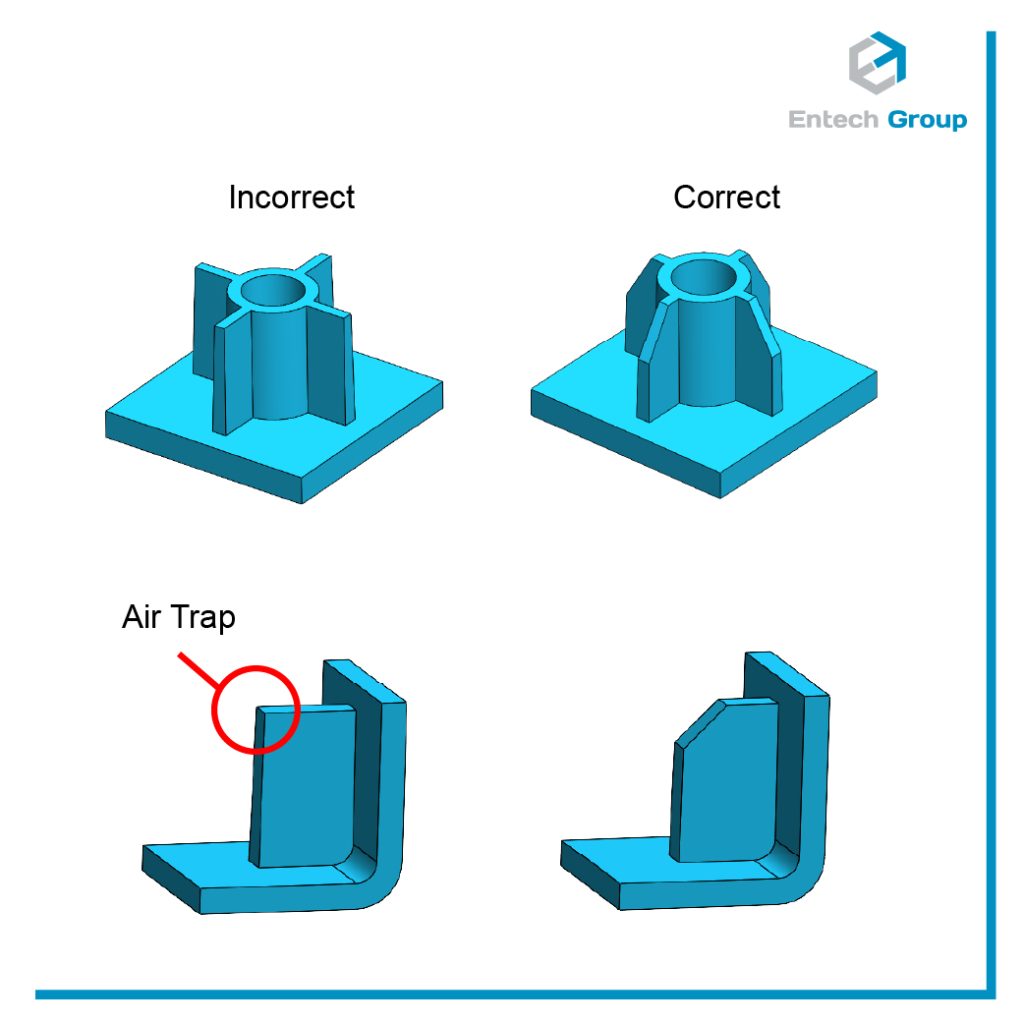
- Reducing tooling complexity by avoiding unnecessary undercuts, side actions, and complex geometries that require additional mould components. Simpler tooling is less expensive to manufacture, maintain, and repair.
- Optimising rib, boss, and corner designs to improve mould filling while reducing defects such as sink marks, weld lines, and stress concentrations, thereby increasing production yield.
- Specifying practical dimensional tolerances, as unnecessarily tight tolerances increase mould manufacturing costs, process control requirements, inspection time, and reject rates without providing functional benefits.
- Designing for automated manufacturing and assembly, enabling components to be produced and handled with minimal manual intervention, reducing labour costs and increasing production throughput.
- Reducing secondary operations, such as machining, trimming, or manual finishing, by incorporating final features directly into the moulded component wherever possible.
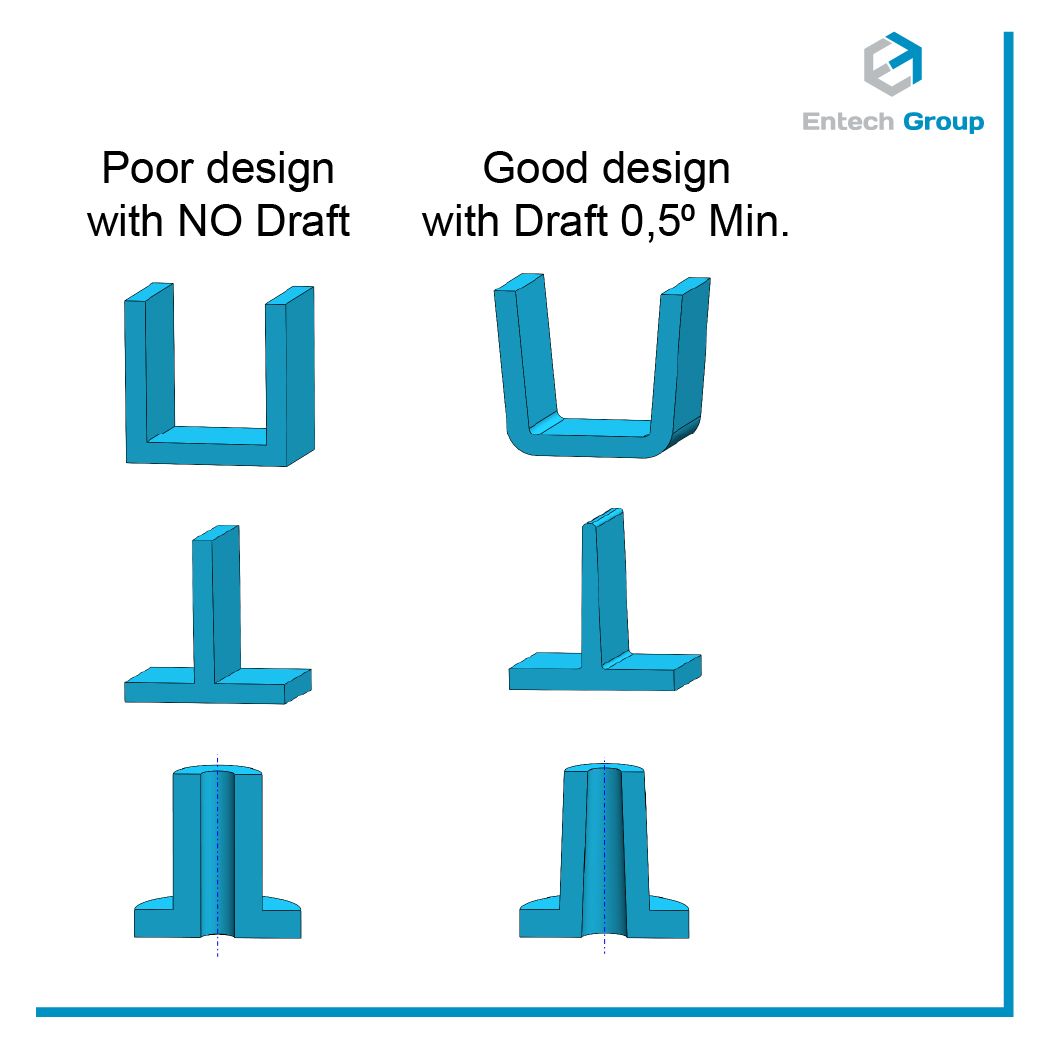
As illustrated above draft angles taper vertical walls so molded plastic releases instantly without sticking, warping, or scraping the surface. They prevent mold damage, reduce surface scuffing, and ensure smooth part ejection during manufacturing. By applying these DFM principles during the initial product development stage, manufacturers can implement designs that not only reduce the cost per part but also substantially reduce tooling investment, shorten cycle times, lower material consumption, improve process reliability, and minimise defects.
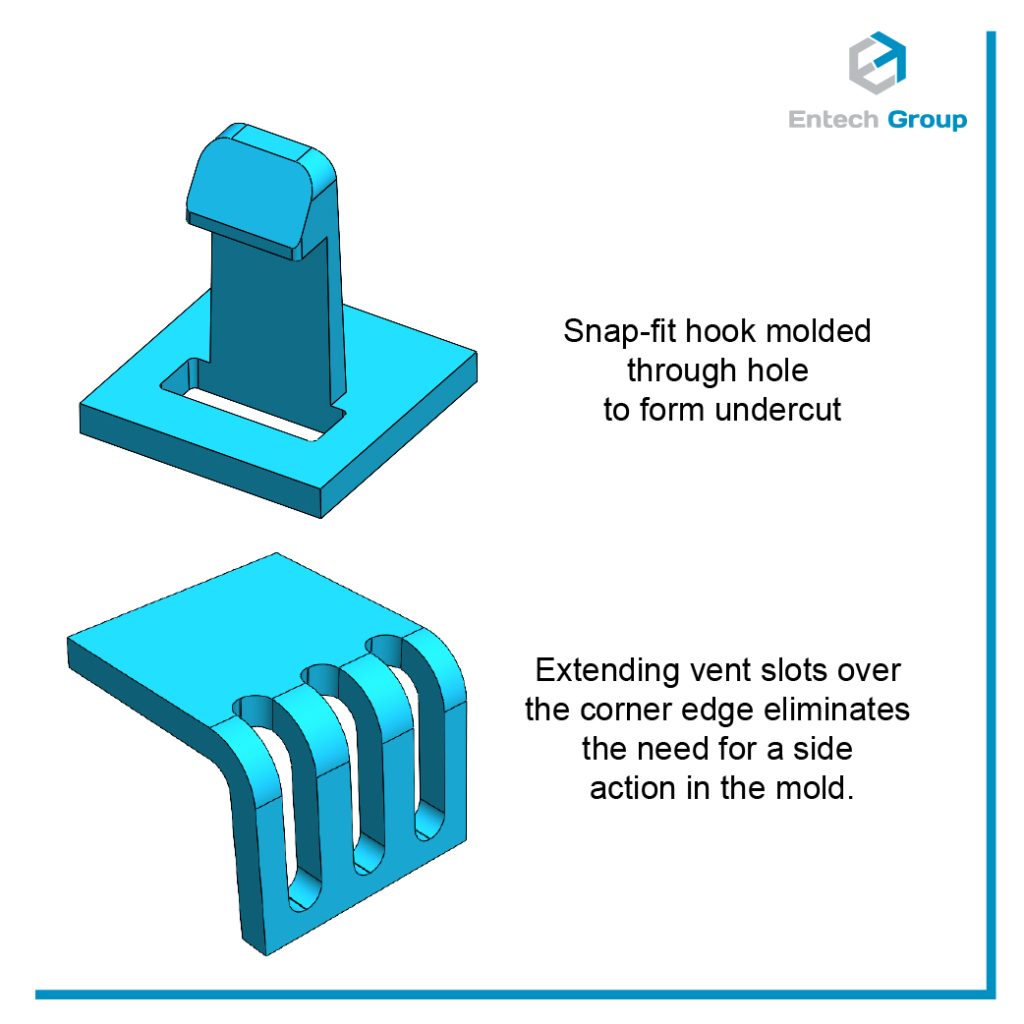
Although DFM principles are intended to enhance overall manufacturability and product quality, these improvements collectively contribute to significant reductions in the overall manufacturing cost of injection-moulded plastic components, particularly in high-volume production where savings are realised across every part produced.
Part Consolidation
Redesigning assemblies by combining multiple components into a single moulded part can significantly reduce manufacturing costs. By eliminating unnecessary individual components, manufacturers can reduce the number of assembly operations, minimise the requirement for fasteners, and lower associated labour and inventory costs. However, this approach must be balanced against mould complexity, as integrating too many features into a single component may increase tooling requirements.
Selecting the Appropriate Material
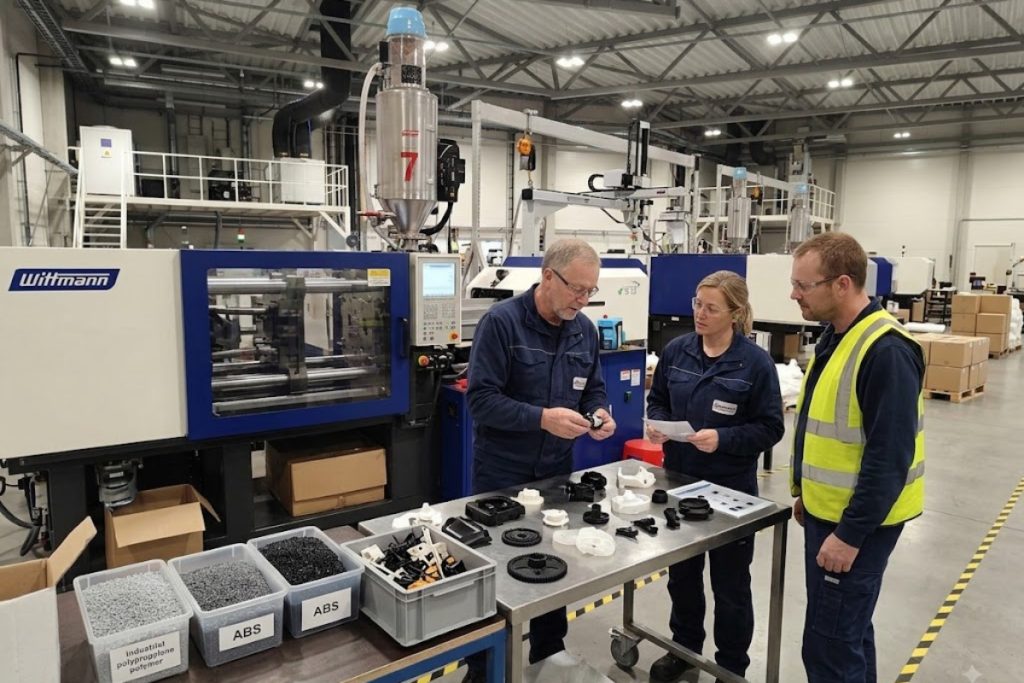
As you might imagine material selection has a direct impact on the overall cost of an injection-moulded component and high-performance engineering polymers are often significantly more expensive than commodity plastics. Engineers are often able to make a decision on utilising alternative polymers and still maintain the mechanical, thermal, and environmental properties via lower-cost alternatives such as Polypropylene (PP) or Acrylonitrile Butadiene Styrene (ABS). So, material selection is something that may provide a more economical solution depending on the project.
Where suitable, the use of recycled polymer material can also reduce costs and minimise waste. Clean, uncontaminated runners, sprues, and rejected components can sometimes be reprocessed and incorporated back into production, reducing reliance on virgin polymer materials. The suitability of recycled polymer depends largely on the material type, the requirements of the application, and the permissible changes in the material’s properties – in other words the when the material is recycled it reduces waste and enables more mileage from the chosen materials, but this needs to be done in accordance with the requirements of the project, for example does the recycling of polymers affect the aesthetic or structural qualities of the finished product? Because when polymers become waste or scrap, one consideration may be that they’re exposed not only to moisture but also contaminants.
Avoid Over-Engineering: Do not default to high-performance engineering resins if a cost-effective alternative (e.g., swapping Polycarbonate for Polypropylene) meets your mechanical and thermal needs.
Maximising Tooling Efficiency
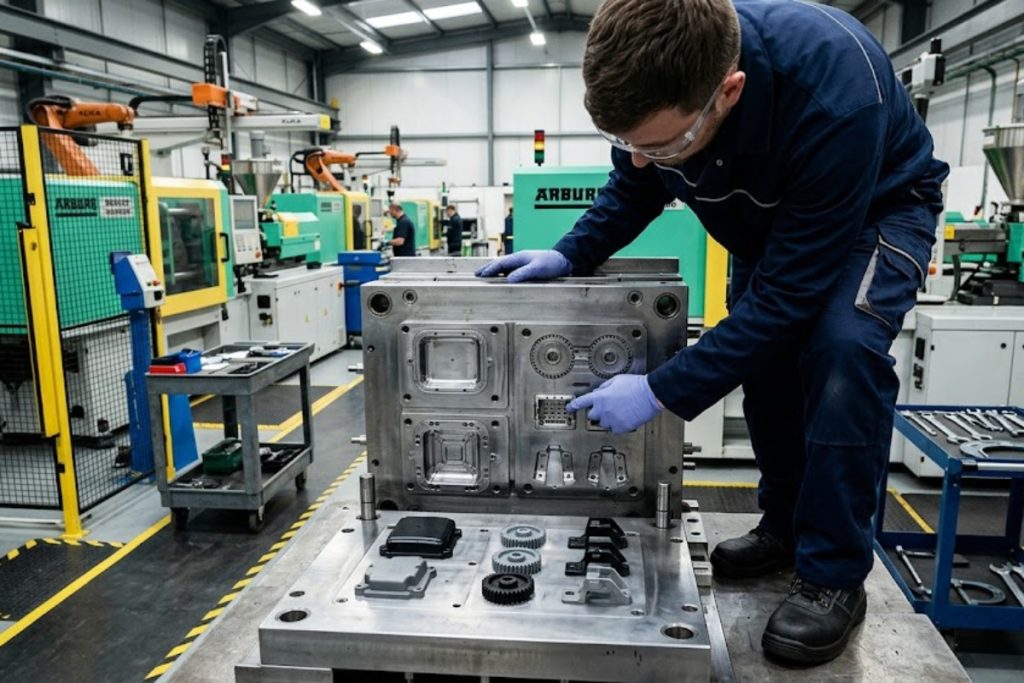
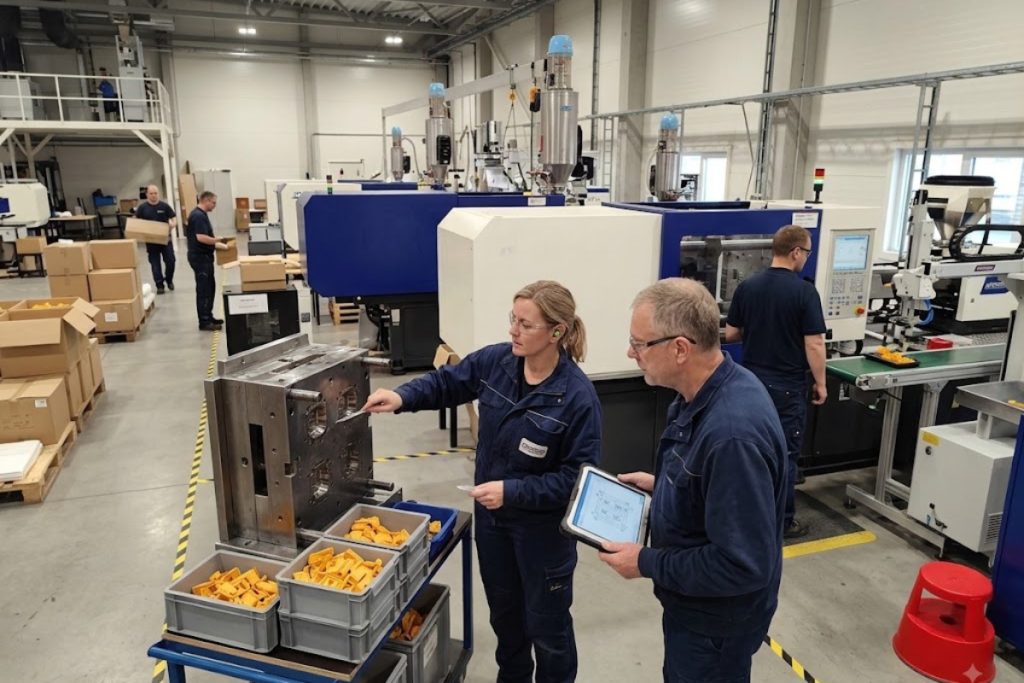
The design and utilisation of injection mould tooling have a significant influence on the cost per component, particularly in high-volume production.
For medium to high production volumes, multi-cavity moulds can be used to produce multiple identical parts within a single injection cycle. Although these moulds require a higher initial investment, the tooling cost is distributed across a greater number of parts, reducing the cost per unit over the production lifetime.
A family mould can also be a way of creating more efficiency within production for a design which contains many differing parts, but which are able to be created within a single mould.
Both Hot runners and cold runners can both have pros and cons when it comes to their pricing, it really is important to weigh up which option best suits your project. Generally, clients opt for hot runner moulds normally when they want higher production efficiency, faster cycle times, less material waste, better part quality, and lower cost per part in high-volume production, despite the higher upfront tooling cost and more complex maintenance. A cold runner mould is preferred for lower production volumes, frequent material or colour changes, lower initial tooling costs, easier maintenance, and simpler mould design, even though it produces runner waste and generally has longer cycle times. In short, hot runners are best for high-volume, long-term production where efficiency offsets the investment, while cold runners are ideal for lower-volume, cost-sensitive, or more flexible manufacturing.
Optimising Production Volumes and Batch Sizes
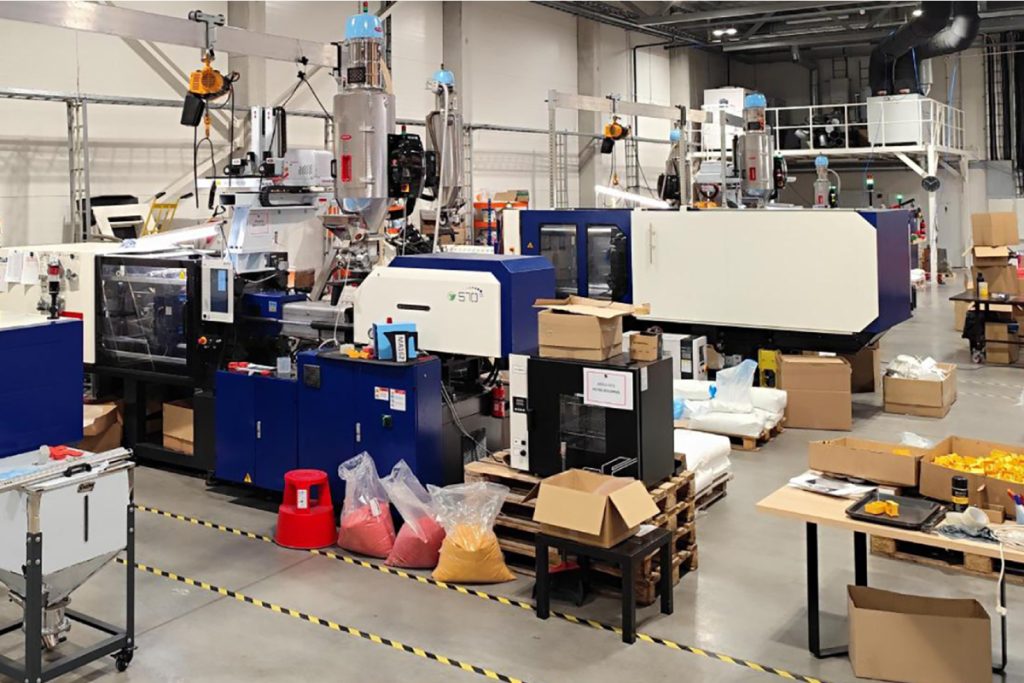
Production volumes have a decided influence on the cost per component, larger production volumes ordinarily reduce the cost because of the tooling investment, the machine prep work and process validation are distributed across a greater number of components. As production volume increases, these fixed costs account for a progressively smaller proportion of the overall cost of each part. It’s similar to printing a book. Preparing the artwork, setting up the printing press, and calibrating the equipment all involve upfront costs. Whether 100 copies or 100,000 copies are printed, much of that preparation only happens once. The more copies produced, the smaller those fixed costs become for each individual book. Injection moulding follows the same principle.
Maintaining Quality
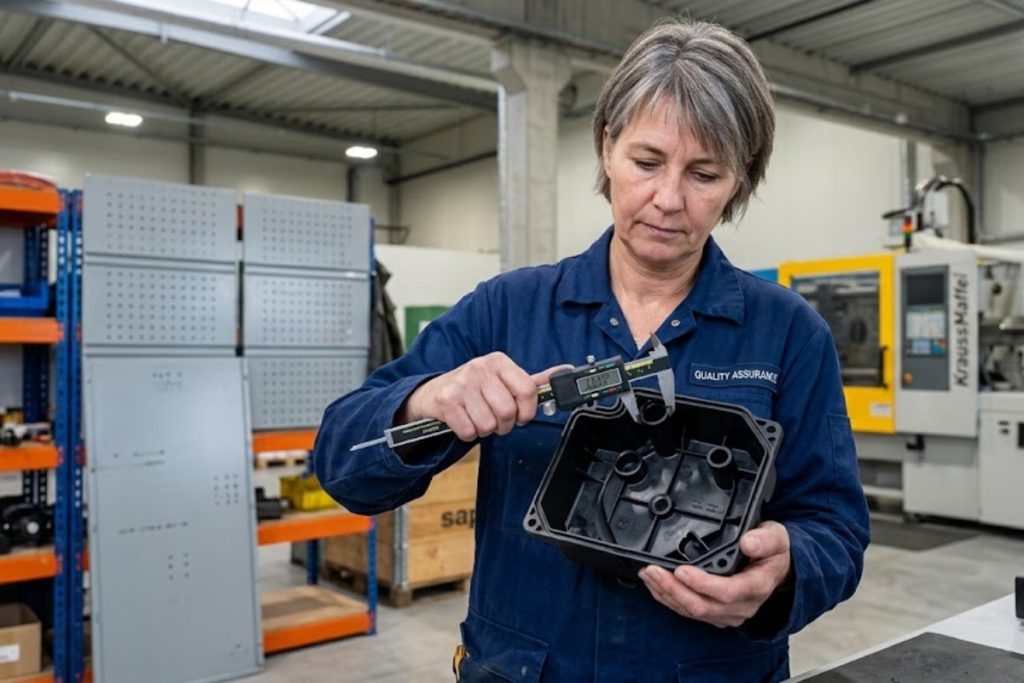
Whilst reducing manufacturing costs is an important consideration, the challenge faced by manufacturers and designers is identifying areas where efficiencies can be introduced without negatively affecting the characteristics that are critical to the intended application of the component.
In injection moulding, quality is determined by a combination of factors including material selection, component design, tooling accuracy, process control, and quality assurance procedures. Cost reductions should therefore be achieved through optimisation rather than merely reducing capital expenditure. Removing features that are integral or essential to the design or selecting materials that are unsuitable, reducing process controls, or lowering tooling standards, whilst they may result in reduced initial costs, this can however result in increased defects, a reduced product lifespan, and higher costs associated with failures, replacements, or warranty claims from dissatisfied end clients. So, as you can see, cutting corners can often have an undesirable outcome for a project in certain cases, it really is project dependent, and it’s why the decision making of experienced engineers in situations like this can become invaluable.
Understanding Critical Requirements
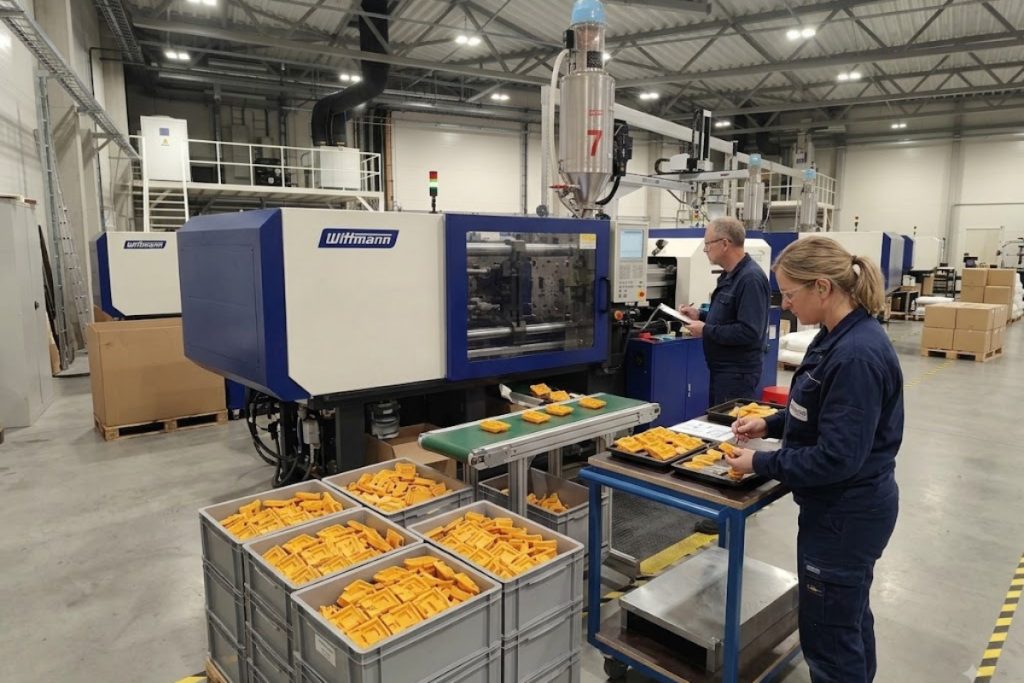
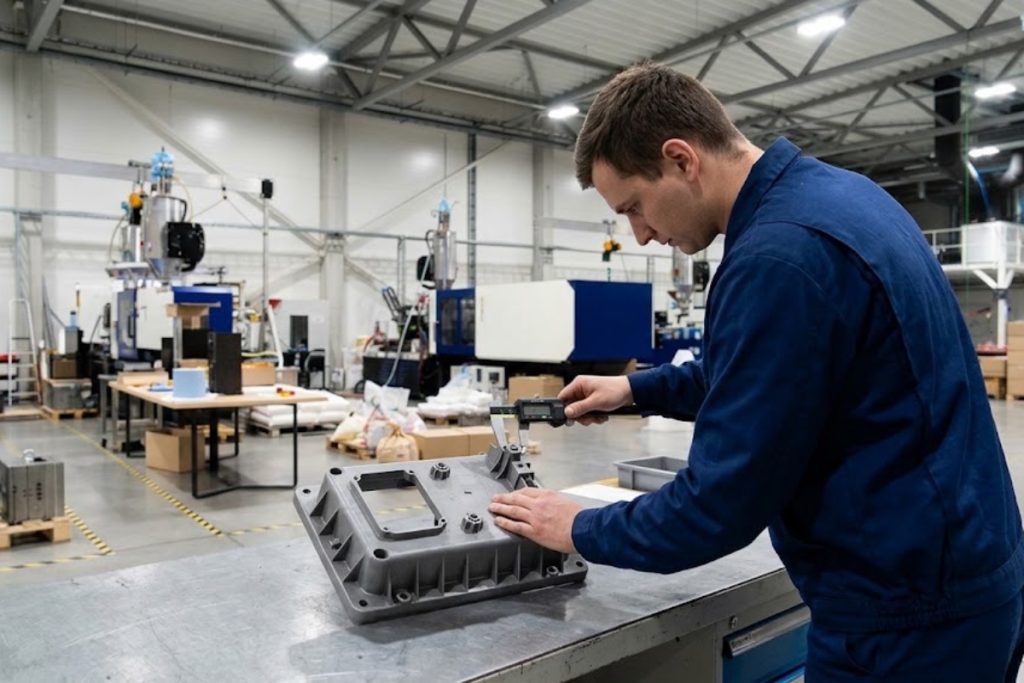
One of the most important aspects of maintaining high quality whilst reducing production costs is identifying which product requirements that are essential and which provide limited functional benefit. Not every feature of a component requires the highest possible specification. For example, applying unnecessarily tight tolerances, premium materials, or complex surface finishes can significantly increase manufacturing costs without improving the performance of the final product.
By defining what are the critical parts of a design that are critical to the functioning oof it during the initial design stage. This allows manufacturers to invest their time focusing on areas that directly influence product performance while avoiding unnecessary over-specification.
Material Selection and Quality Considerations
Although lower-cost materials can reduce production expenses, material selection must always consider the operational requirements of the component. Factors such as mechanical strength, impact resistance, temperature exposure, chemical resistance, UV stability, and dimensional stability must be evaluated before replacing a higher-performance polymer with a lower-cost alternative.
Selecting an unsuitable material may reduce the initial manufacturing cost but can lead to premature failure, inconsistent performance, and increased lifecycle costs. Therefore, the most economical material is not always the cheapest option, but rather the material that provides the required performance at the lowest overall cost.
Maintaining Tooling Accuracy
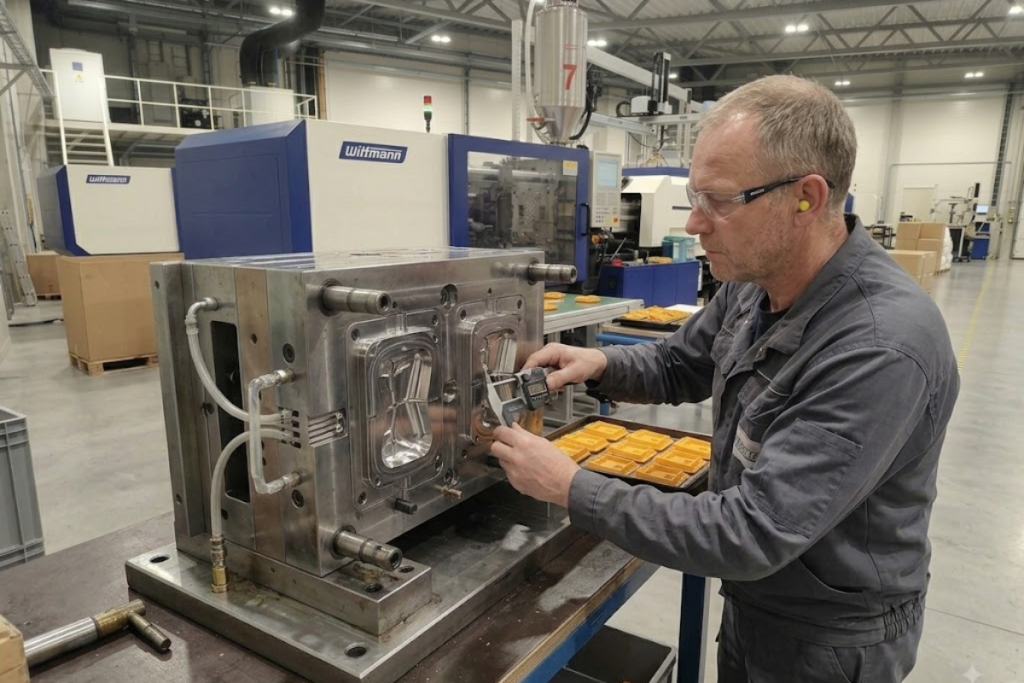
The condition and accuracy of injection mould tooling have a direct influence on part quality. While reducing tooling complexity and cost can be beneficial, insufficient tooling quality can result in dimensional variation, cosmetic defects, flash, poor part fit, and increased rejection rates.
Investment in appropriate tooling standards, surface finishes, and maintenance procedures helps ensure consistent production quality over the lifespan of the mould. In high-volume production, reliable tooling is particularly important because even small defects can result in significant material waste and financial losses.
Process Control and Consistency
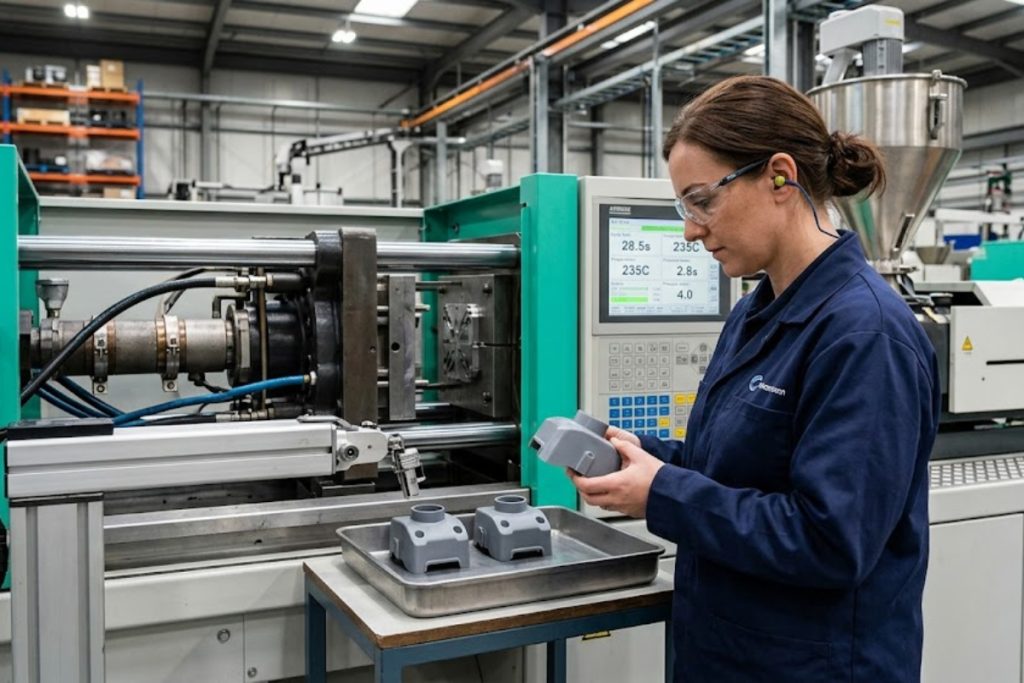
Maintaining quality in injection moulding relies heavily on controlling the manufacturing process. Variations in parameters such as injection pressure, temperature, cooling time, and material moisture content can lead to defects including warpage, sink marks, short shots, and dimensional inconsistencies.
Implementing controlled manufacturing processes, regular inspection procedures, and preventative maintenance ensures that cost-saving measures do not introduce unnecessary variation into production. A stable process improves yield, reduces scrap, and ultimately contributes to lower costs while maintaining quality.
The Balance Between Cost and Quality
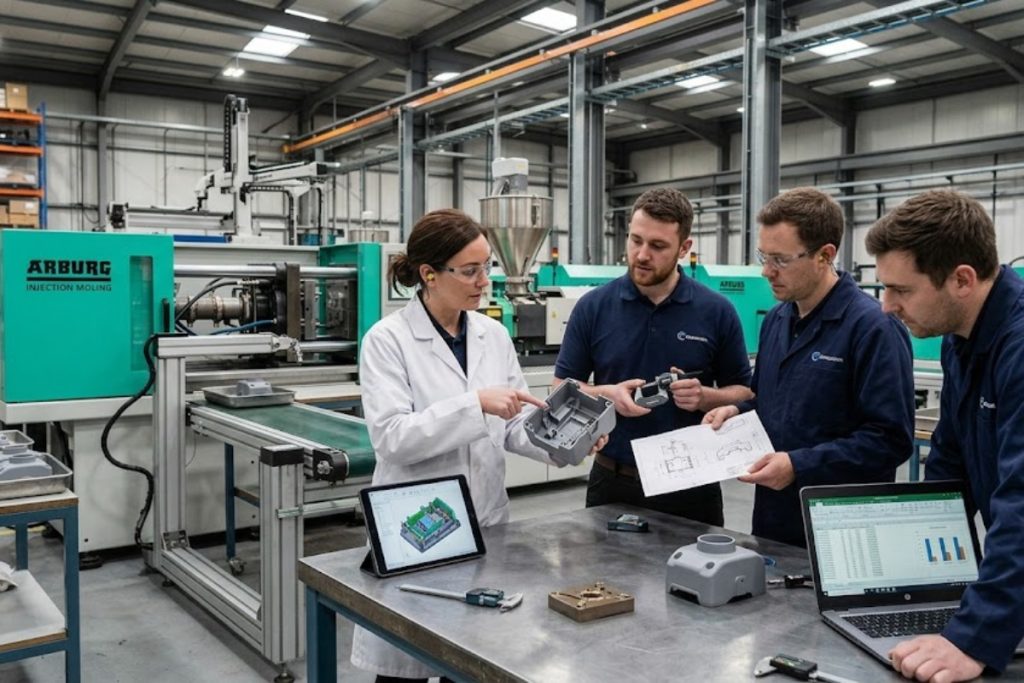
The relationship between cost and quality in injection moulding is not necessarily a compromise between choosing one over the other. Effective engineering and manufacturing strategies aim to achieve the optimum balance by removing unnecessary costs while preserving the characteristics required for successful product performance.
The greatest cost reductions are often achieved through improved design decisions, efficient manufacturing processes, and careful specification rather than by reducing quality standards. When cost reduction strategies are implemented correctly, manufacturers can produce components that are both economically viable and capable of meeting the required expectations for performance, reliability, and durability.
At Entech Group, we help clients identify practical opportunities to reduce plastic injection moulding costs without compromising product quality. By applying Design for Manufacturing (DFM) principles and optimising material selection, we develop economical solutions.
Working closely with our clients from the earliest stages of a product’s development enables us to simplify component designs, and to improve manufacturability.
As a one-stop injection moulding partner, we also provide comprehensive support throughout the manufacturing process, including product design, engineering, tooling, prototyping, injection moulding, and even final assembly. Our multidisciplinary team of engineers, designers, tooling specialists, and project managers work collaboratively to deliver precision-engineered plastic components that provide long-term manufacturing value.