Introduction
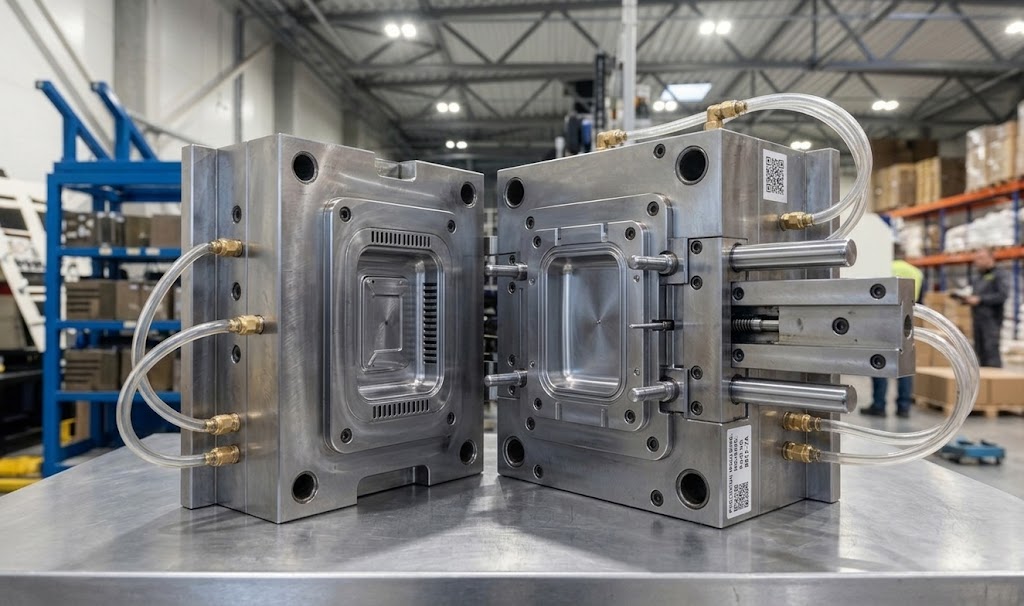
Plastic injection moulding is employed extensively by companies across the world, largely because of its high repeatability, consistency during production cycles, and relative affordability, particularly at higher production volumes. This affordability is largely due to economies of scale, as the initial setup and tooling costs can be spread across hundreds or even thousands of components, significantly reducing the cost per unit.
There are, however, numerous factors that contribute to the final cost of injection moulding. Tooling, production volume, part complexity, material selection, cycle time, and the manufacturing process itself can all have a significant impact.
The availability of a wide range of thermoplastic materials, relatively short cycle times, and reduced labour requirements through automation can further improve cost efficiency as production scales. The material used to fabricate the mould can also influence both the initial tooling cost and its longevity, with more durable tool steels often providing a longer service life and improved cost efficiency over sustained production.
Typical Injection Moulding Costs
One of the most common questions businesses ask us is how much injection moulding costs. Whilst there is no single answer, as every project has its own technical requirements, general price ranges can provide some useful context.
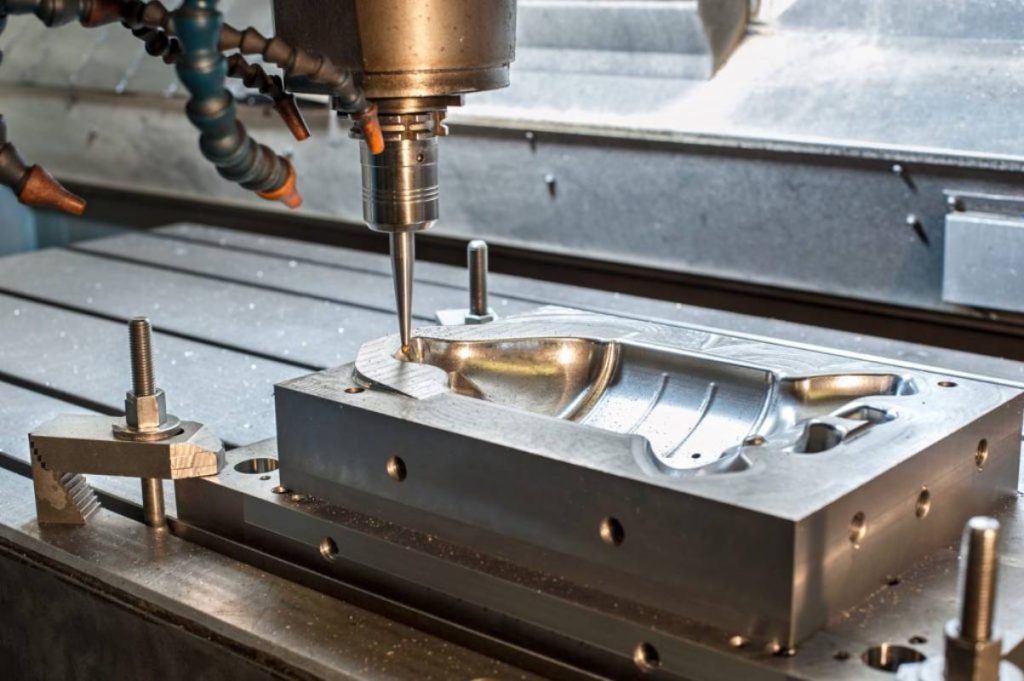
Simple prototype moulds can sometimes be produced for a few thousand euros, whilst production tooling intended for longer manufacturing runs may cost tens of thousands of euros or more. The final tooling cost will depend on factors such as part complexity, material selection, number of cavities, surface finish, and expected production volumes.
There are various price points, but one can ordinarily expect prices within the region of:
• Prototype tooling: €2,000–€15,000+
• Production tooling: €10,000–€100,000+
• Large multi-cavity or highly complex tooling: €100,000+
Design for Manufacturability (DFM)
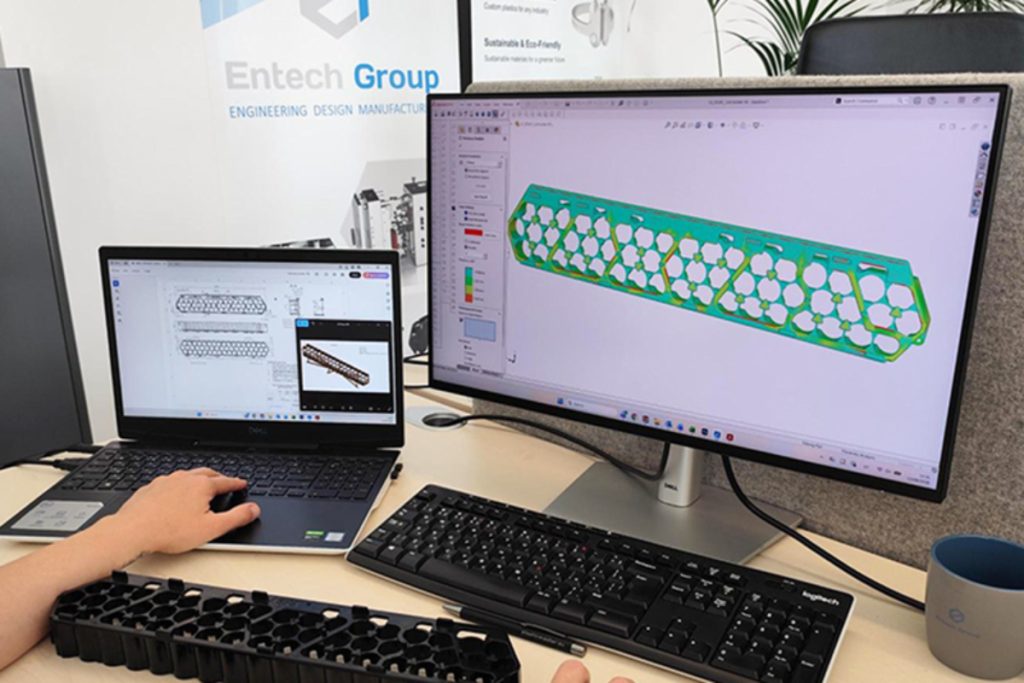
One of the most effective ways to reduce the cost of injection moulding begins long before production starts. Design for Manufacturability, often referred to as DFM, involves optimising a product so that it can be manufactured efficiently whilst still meeting its functional requirements.
Features such as unnecessary undercuts, excessively thin walls, sharp internal corners, deep ribs, and overly tight tolerances can all increase mould complexity and manufacturing costs. By contrast, appropriate draft angles, consistent wall thicknesses, and simplified geometries are generally easier and more cost-effective to manufacture.
In many cases, relatively minor changes made during the design phase can reduce tooling costs, improve cycle times, and enhance product quality without affecting the intended performance of the component. This is why early collaboration between designers, engineers, and manufacturers is so valuable. Identifying potential manufacturing challenges before tooling begins can help avoid costly modifications later in the project.
The Impact of Part Geometry on Tooling Costs
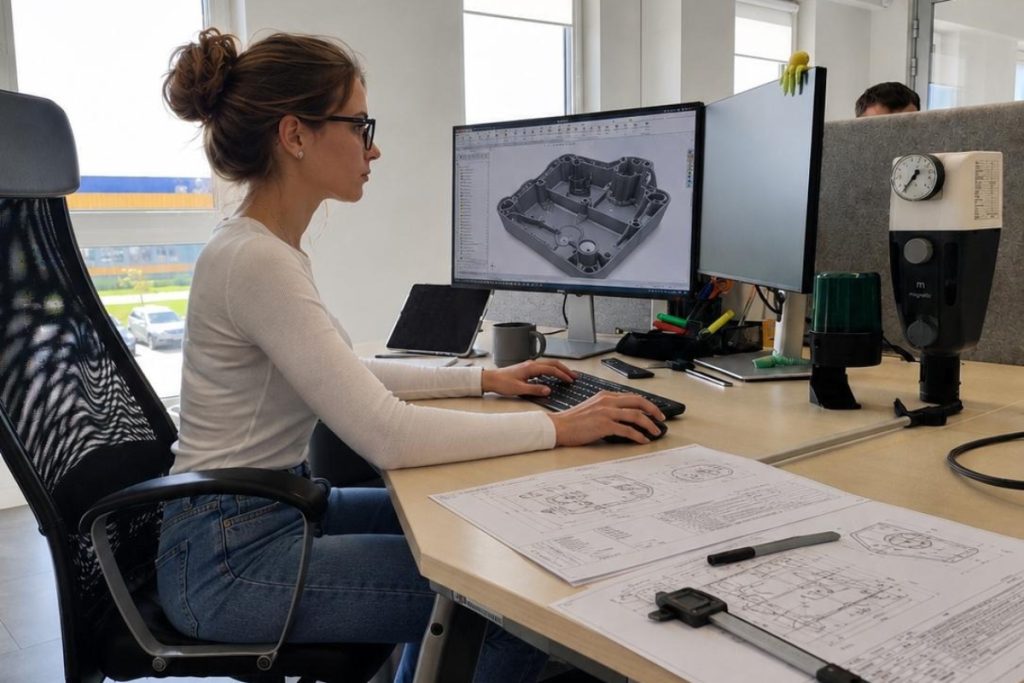
Part geometry has a direct influence on the type and complexity of tooling required. A complex component may require features such as undercuts, thin walls, tight tolerances, or intricate surface details, which can introduce additional mechanisms such as side actions, lifters, or multi-slide systems.
These features increase manufacturing complexity and can also add to long-term maintenance requirements. Textures, embossed logos, and fine cosmetic details may require specialised inserts or additional processing of the mould surface.
In many cases, costs can be reduced simply by making sensible alterations to the initial design. Removing unnecessary complexity can lower tooling requirements without affecting the core functionality of the product.
The Role of Material Selection
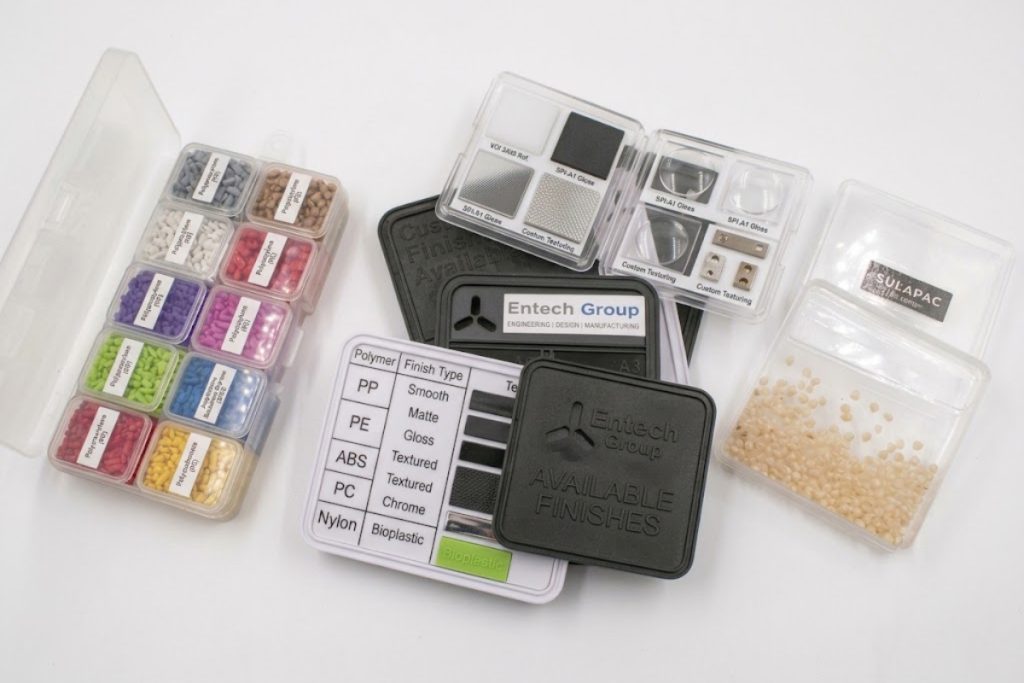
Material selection has manifold implications for an injection moulding project. It determines the physical properties, longevity, and resistance of the finished product, whilst also influencing the overall manufacturing cost.
Different polymers behave differently during moulding. Some flow readily into the mould, whilst others require higher processing temperatures or pressures, which can affect cycle times and production efficiency. Resins containing glass fibres or mineral fillers are also more abrasive and can accelerate wear on mould surfaces and gates.
The selected polymer can additionally affect surface finish, colour consistency, texture replication, and dimensional stability. External market conditions can also influence material costs, as many engineering plastics are derived from petrochemical feedstocks. Fluctuations in oil prices, energy markets, tariffs, and global supply chains can therefore affect material pricing.
The mould material itself is another consideration. Aluminium tooling generally has a lower initial cost and can be suitable for shorter production runs, whilst hardened steels such as S136 or H13 are often more appropriate for higher volumes and demanding cosmetic applications where long-term tool life is important.
How Cavity Count Affects Injection Moulding Efficiency
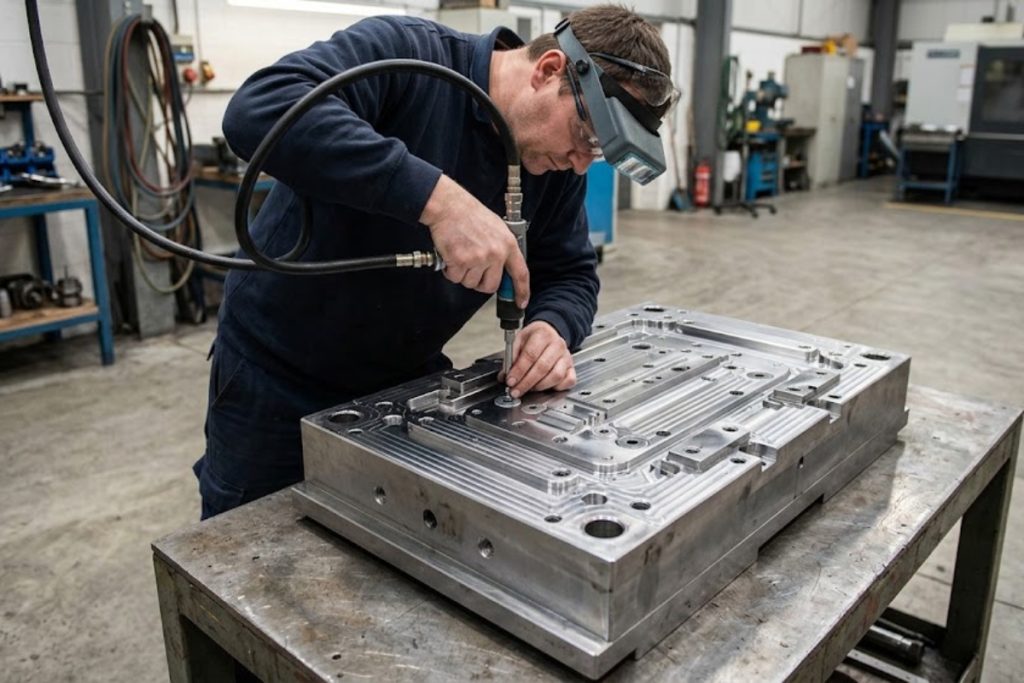
he number of cavities in a mould determines how many parts can be produced during each injection cycle. A single-cavity mould is generally simpler and less expensive to manufacture, but it can only produce one component per cycle.
By contrast, multi-cavity moulds can produce several parts simultaneously, significantly increasing output. Although they require greater upfront investment, the increased productivity can reduce the cost per component over a sufficiently large production volume.
It is important, however, that multi-cavity tooling is carefully balanced to ensure consistent filling and reliable production. Poorly balanced designs can lead to variation between cavities and ultimately increase quality and manufacturing costs.
The Hidden Cost of Energy
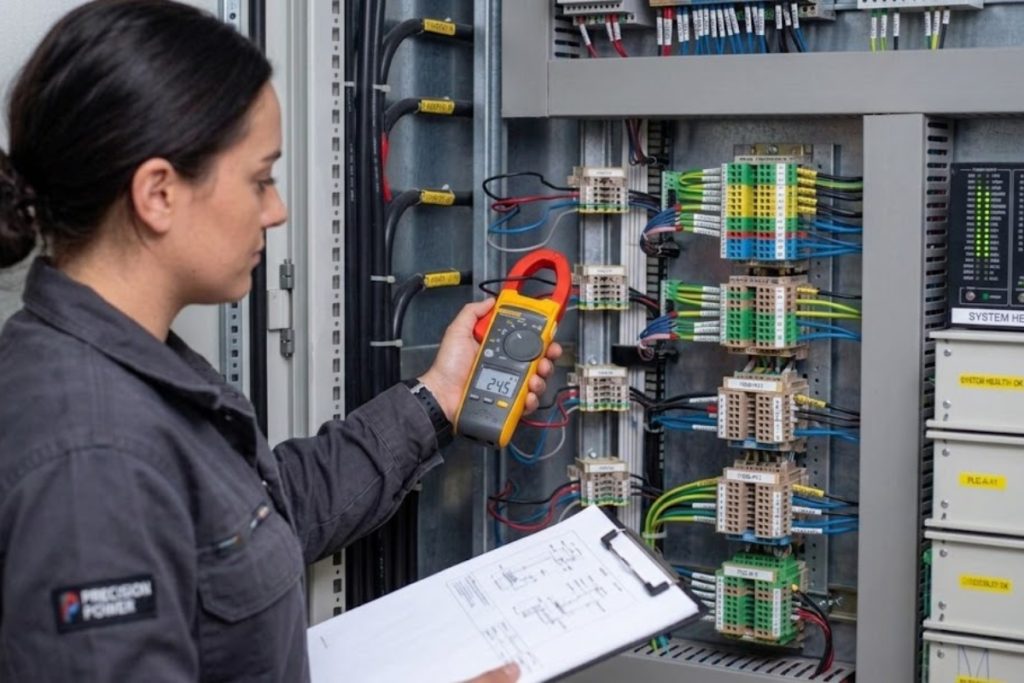
Injection moulding machines consume energy throughout the production cycle, from melting and injecting the polymer into the mould to maintaining process temperatures and operating auxiliary equipment. Whilst energy costs may not always be the largest contributor to overall manufacturing expenses, they can become increasingly significant in high-volume production environments.
Several factors influence energy consumption, including machine size, material processing temperatures, cycle times, and equipment efficiency. Larger machines generally consume more power, whilst materials requiring higher processing temperatures can further increase energy demands.
As energy prices fluctuate, manufacturers often seek opportunities to improve efficiency through modern machinery, optimised cycle times, and improved process control. These improvements can reduce operating costs whilst supporting more sustainable manufacturing practices.
Understanding Hot Runner vs Cold Runner Systems
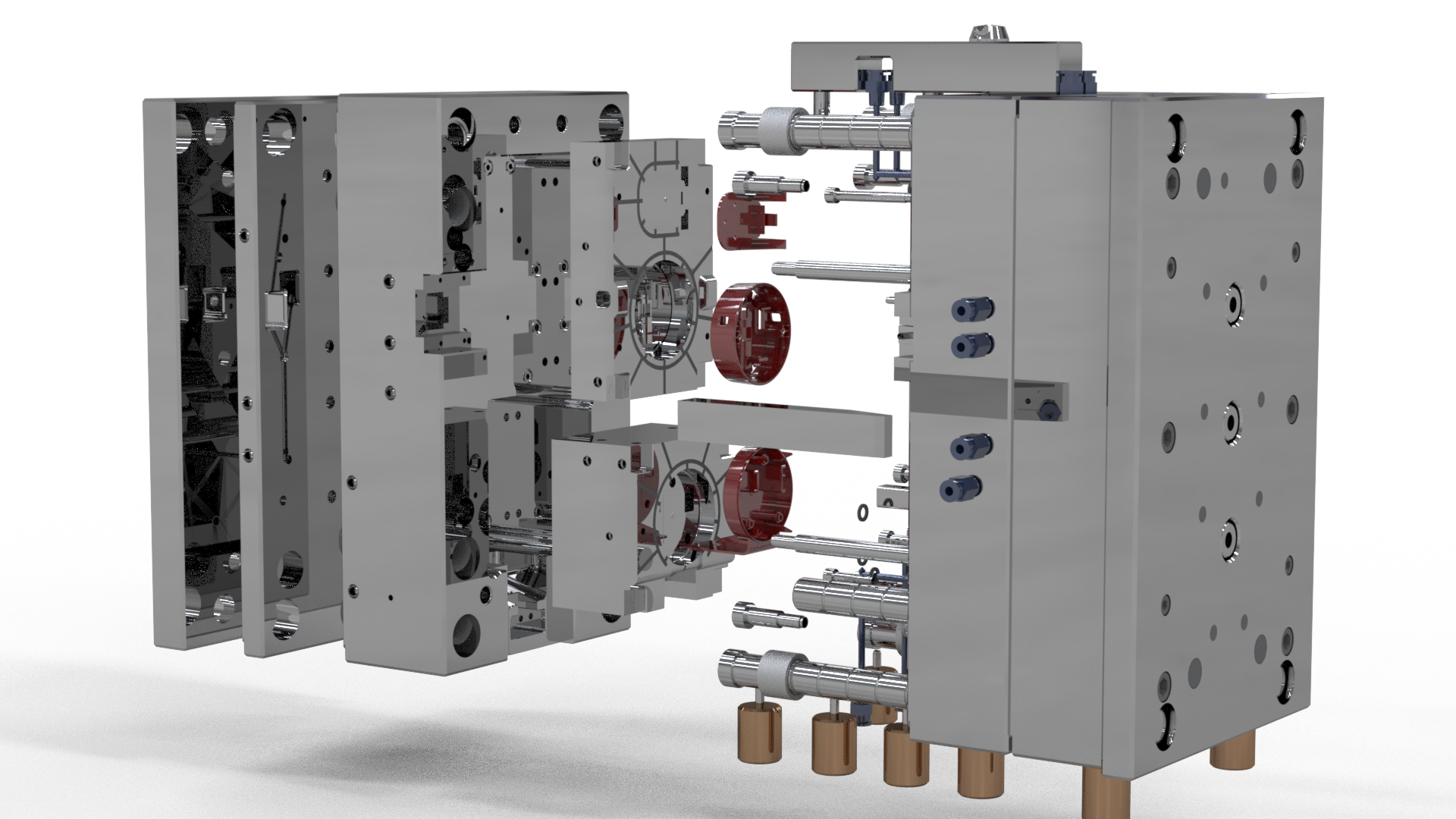
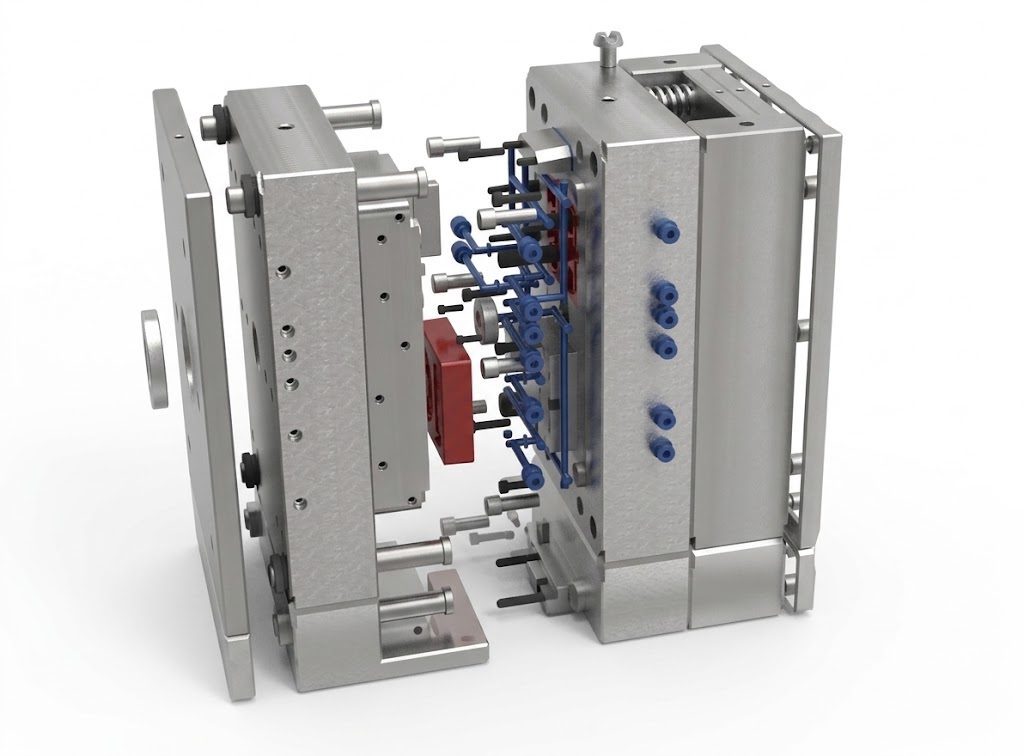
The runner system can have a noticeable effect on tooling costs and long-term efficiency. Cold runner systems are generally less expensive initially, but the runner solidifies alongside the moulded part, creating additional material that must be recycled, reprocessed, or discarded.
Hot runner systems keep the plastic molten throughout the runner network, allowing material to flow directly into the cavities without creating a solidified runner. Whilst these systems require greater initial investment and can involve increased maintenance and complexity, they can reduce material waste and improve efficiency in high-volume manufacturing.
The most appropriate option will depend on production requirements, material costs, part complexity, and the overall objectives of the project.
Why Production Volume Changes Everything
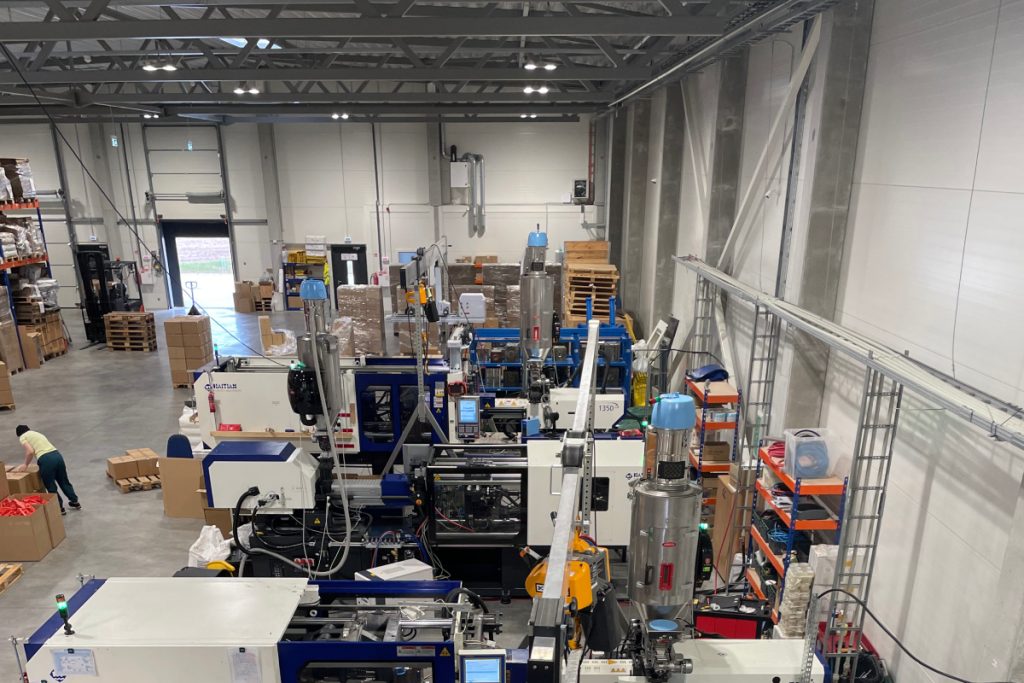
Production volume is one of the most influential factors in determining the overall cost of an injection moulding project. The total number of parts required affects both the tooling strategy and the most appropriate manufacturing process.
In low-volume production, tooling costs are spread across fewer parts, resulting in a higher cost per component. Simpler tooling solutions and lower cavity counts are often more economical in these circumstances. By contrast, high-volume production allows the initial tooling investment to be distributed across a much larger number of parts, significantly reducing the cost per unit over time.
As production volumes increase, it also becomes more viable to invest in multi-cavity moulds, hot runner systems, and automated handling. Whilst these options increase upfront costs, they can dramatically improve efficiency and reduce long-term production costs.
Cycle Time (Cooling Time) – One of the Biggest Hidden Cost Drivers
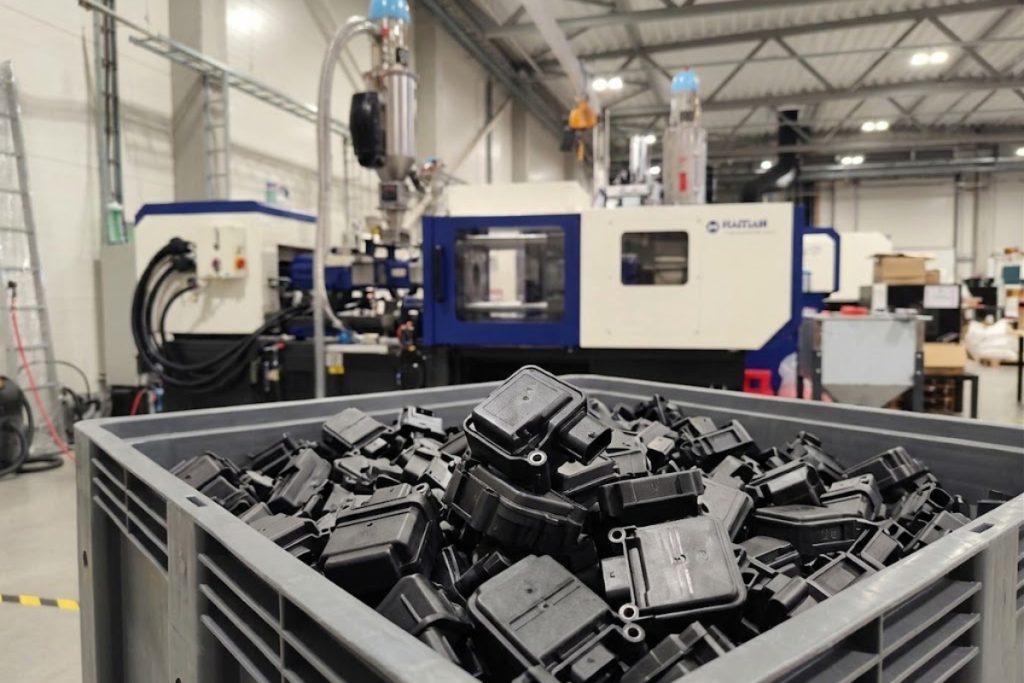
One of the most significant factors affecting the cost of injection moulding is cycle time. A large proportion of the cycle can be devoted to cooling, often around 50–80%, depending on the geometry, material, and mould design.
If a mould cannot remove heat efficiently, cycle times become longer, reducing the number of parts that can be produced within a given period. Uneven cooling can also cause defects such as warping, sink marks, and dimensional inconsistencies.
For this reason, mould designers invest considerable effort in developing cooling systems that distribute temperature evenly throughout the tool. Although advanced cooling solutions can increase the initial tooling cost, they can shorten cycle times, improve consistency, and reduce production costs over the life of the project.
Material Conditioning and Its Impact on the Manufacturing Process
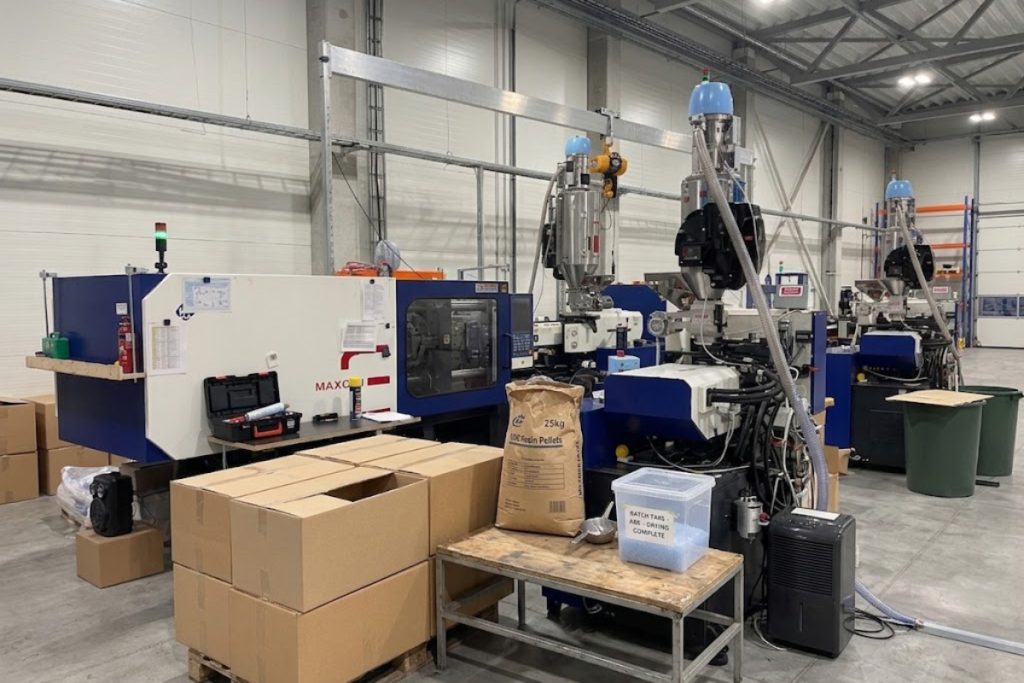
Some thermoplastics are highly sensitive to moisture and require careful drying before processing. Materials such as nylon, polycarbonate, PET, and ABS can absorb moisture from the atmosphere, potentially causing surface defects, reduced mechanical properties, dimensional instability, and poor finish if inadequately dried.
The drying process requires specialised equipment, energy, space, and additional handling, all of which contribute to manufacturing costs. Although these expenses may appear relatively minor compared with tooling or material costs, they remain an important consideration, particularly for high-volume production where consistency and quality are critical.
Automation, Labour, and Production Efficiency
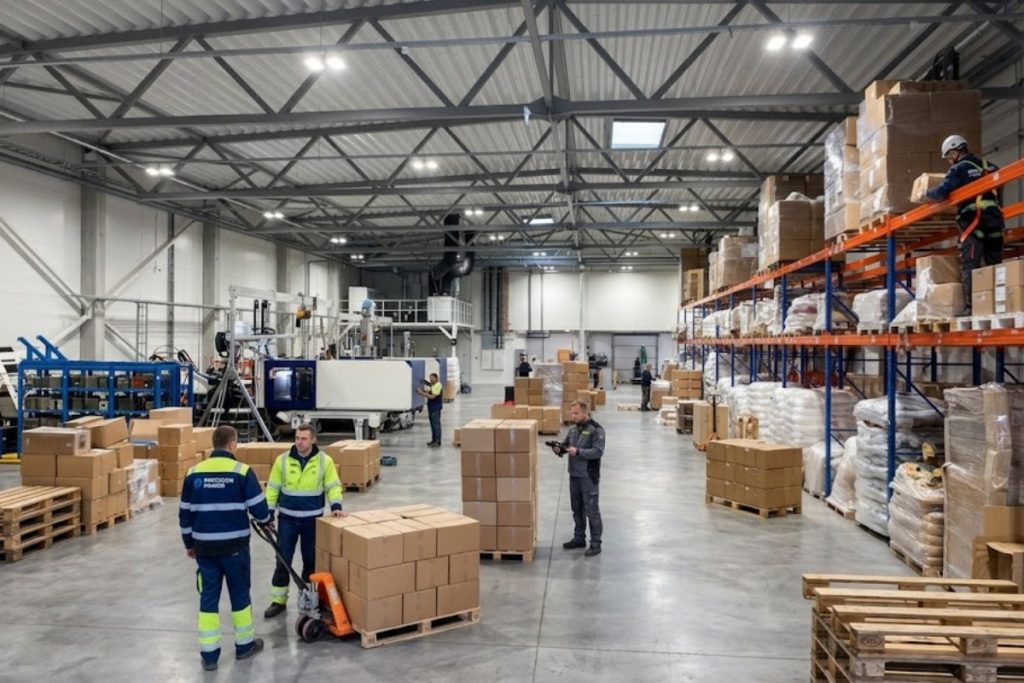
The level of automation incorporated into a manufacturing process can have a significant influence on production costs. Modern injection moulding facilities often utilise automated systems for part removal, inspection, packaging, and assembly, reducing reliance on manual labour and improving consistency.
Whilst automation typically requires a higher initial investment, it can reduce labour costs, increase production speeds, and minimise the risk of human error. Manual handling may be appropriate for lower-volume projects or highly specialised components, but as production volumes increase, automation often becomes a more cost-effective solution.
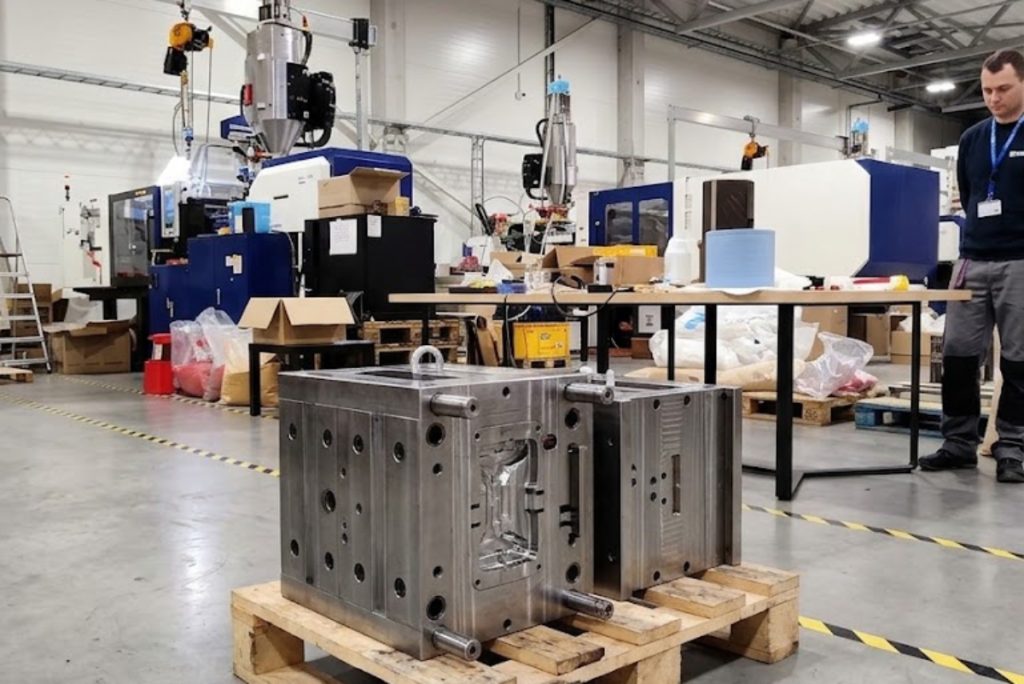
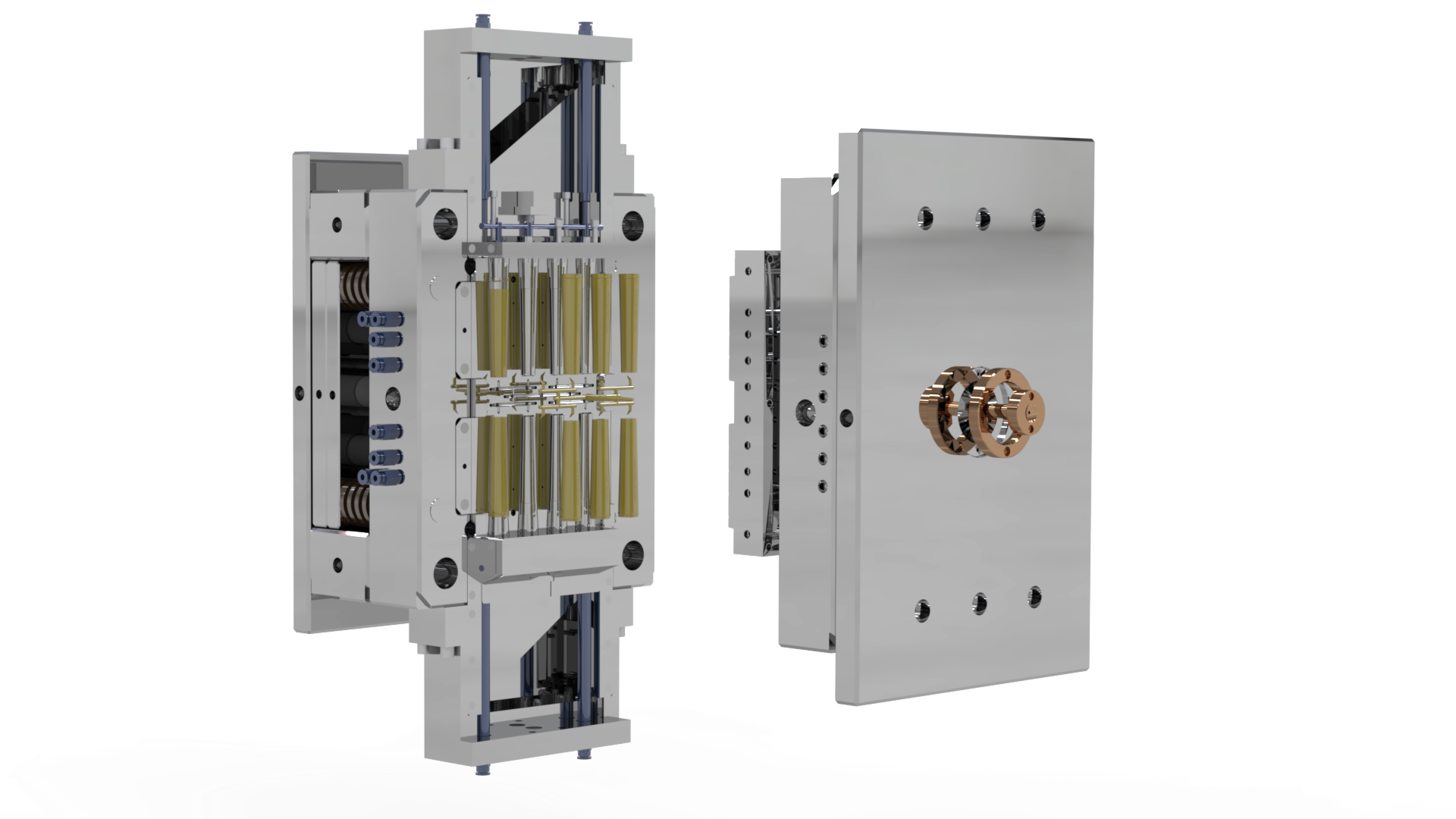
The development of an injection mould involves far more than simply manufacturing the tool. Before production can begin, the mould must be designed, machined, assembled, tested, and refined, meaning tool lead time can represent a significant portion of the overall project timeline and cost.
Complex components may require multiple design reviews, mould flow analysis, prototyping, and trial runs. Modifications following initial sampling may also be necessary to address dimensional issues, cosmetic defects, or performance requirements.
Each development iteration can increase lead times and project costs, making early product development and design optimisation particularly valuable.
Mould Validation and Testing Before You Commit to Production
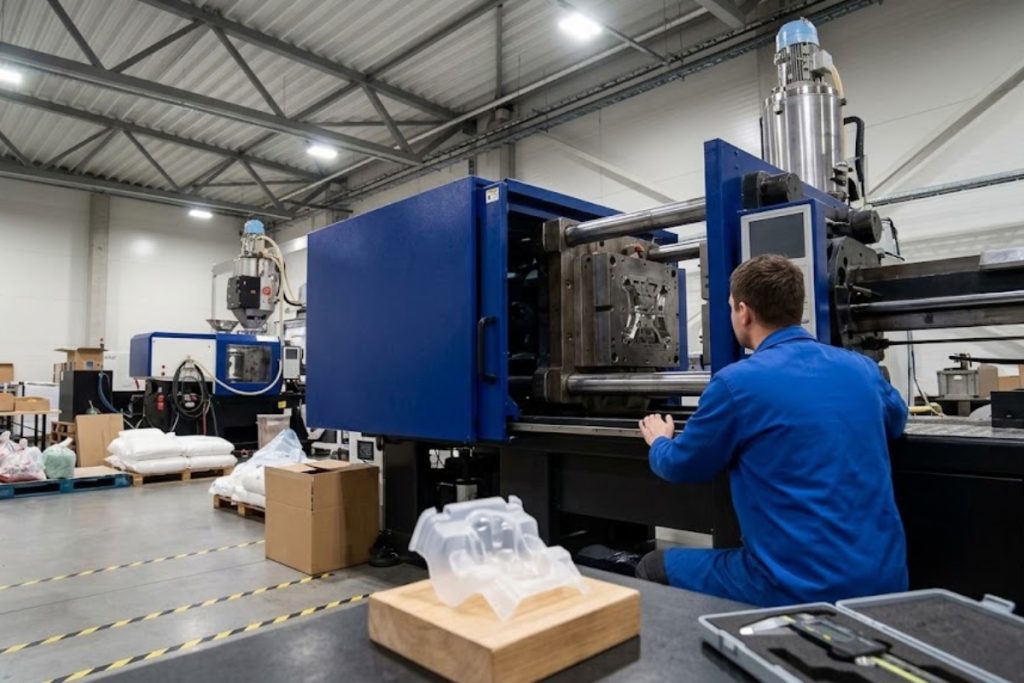
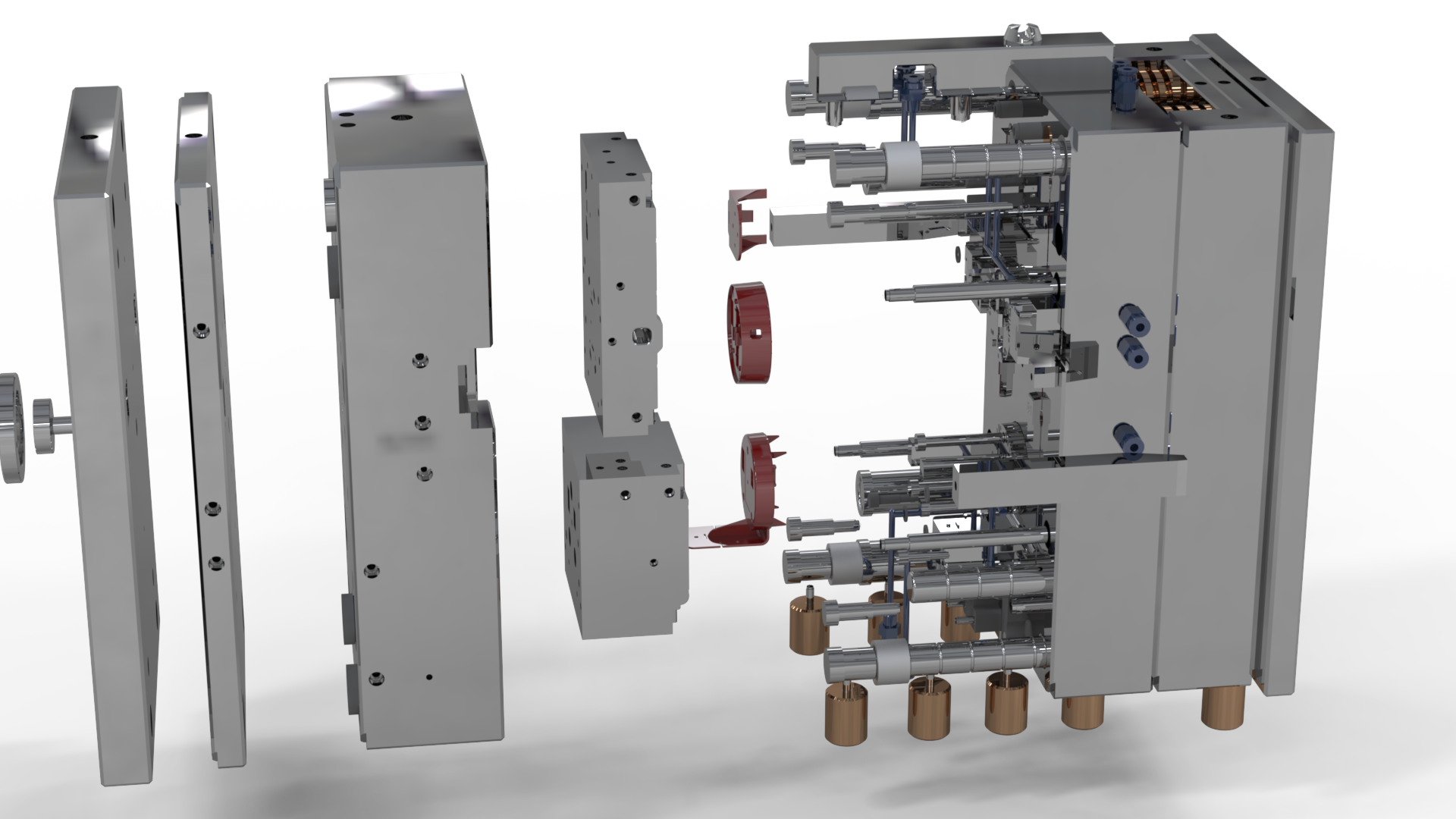
Before full-scale production begins, most injection moulding projects undergo testing and validation to ensure that the tooling performs as intended and that the resulting parts meet all specified requirements.
This stage may include initial sampling, dimensional inspection, material verification, mould trials, and process optimisation. Depending on the industry, capability studies, first article inspections, or customer approval procedures may also be required.
Whilst validation adds to the upfront cost, it helps identify potential issues before volume production begins. Resolving problems during validation is typically far less costly than addressing defects after thousands of components have been manufactured.
Tool Maintenance and Lifecycle Costs
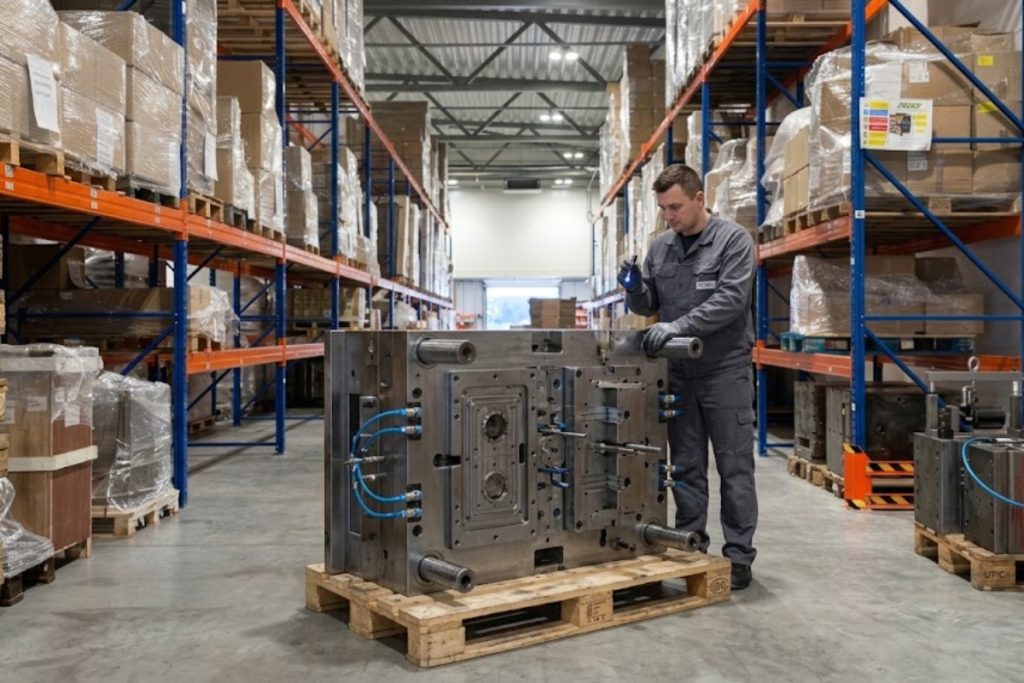
Tool maintenance is an important consideration throughout the life of an injection mould. Regular cleaning, inspection, lubrication, replacement of worn components, and refurbishment may be necessary to maintain reliable operation and consistent part quality.
Abrasive materials containing glass fibres or mineral fillers can accelerate wear on mould surfaces, gates, and other components. A tool with a lower initial cost may therefore become more expensive over its lifetime if it requires frequent maintenance or replacement.
The Role of Location in Manufacturing Cost Structures
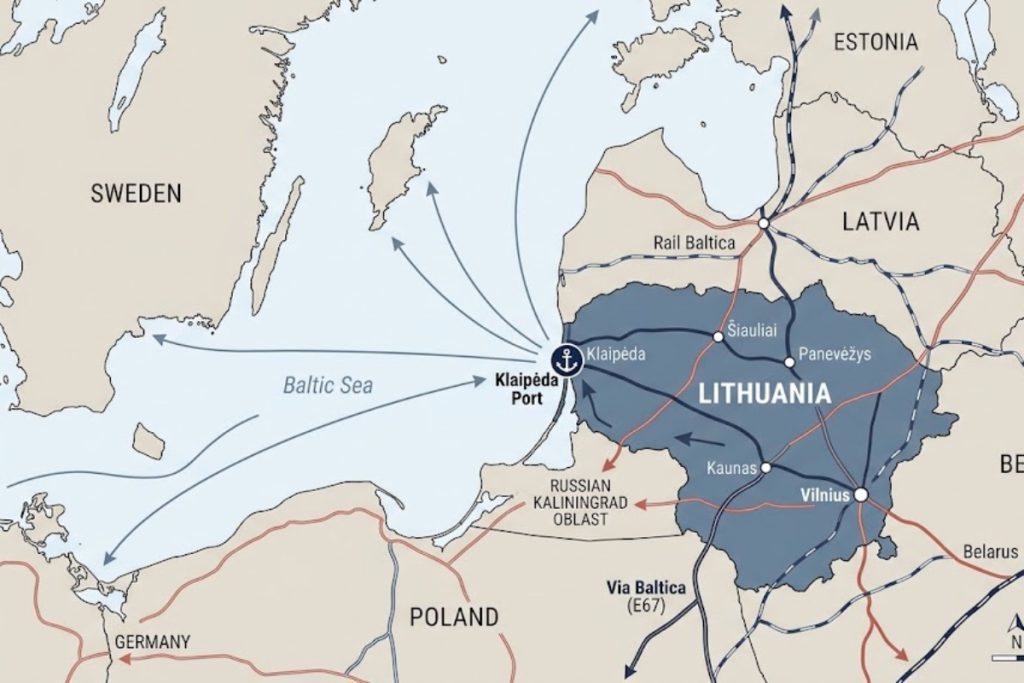
The location in which a product is manufactured can have a significant impact on the overall cost of an injection moulding project. Whilst labour costs are often one of the first considerations, they are only one element of a broader equation.
Energy prices, transportation costs, import duties, taxation, regulatory requirements, and supply chain resilience can all influence the total landed cost. Lower production costs in one region may be offset by higher logistics expenses, longer lead times, or increased inventory requirements.
Businesses therefore need to consider the complete supply chain rather than focusing solely on the quoted manufacturing price.
How Post-Processing Shapes Total Production Cost
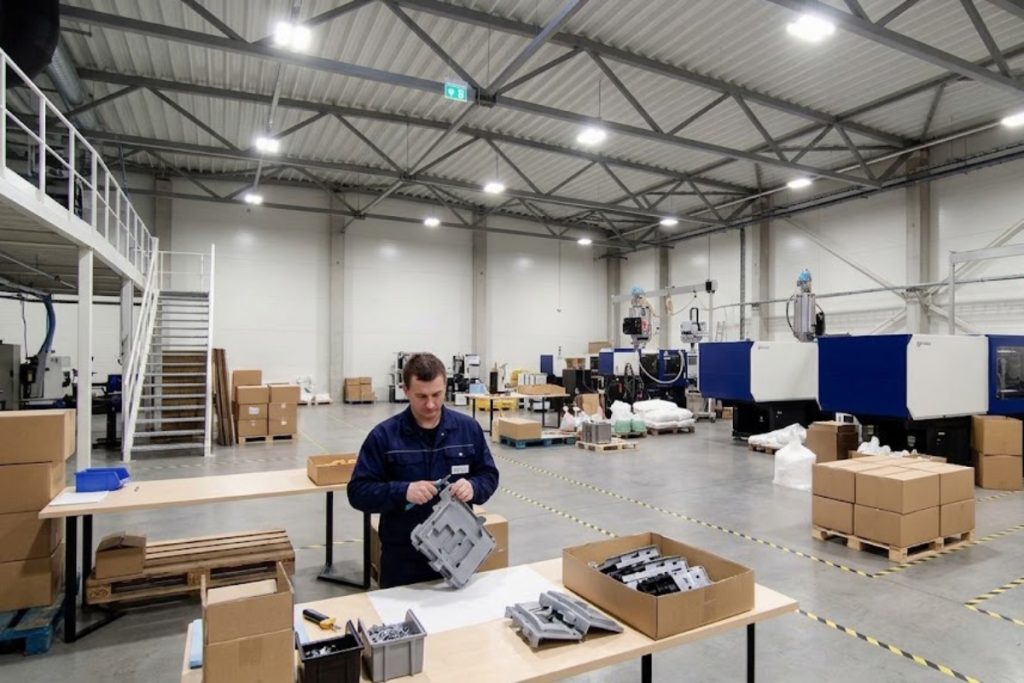
Whilst injection moulding is often regarded as a highly efficient manufacturing process, the moulding stage itself is not always the end of production. Components may require trimming, de-flashing, machining, surface finishing, printing, painting, laser marking, ultrasonic welding, heat staking, assembly, or threaded inserts.
Each additional process introduces further time, labour, equipment, and handling requirements. Where possible, integrating functional features directly into the moulded component can reduce the need for additional operations and lower overall manufacturing costs.
Inspection and Quality Assurance Requirements
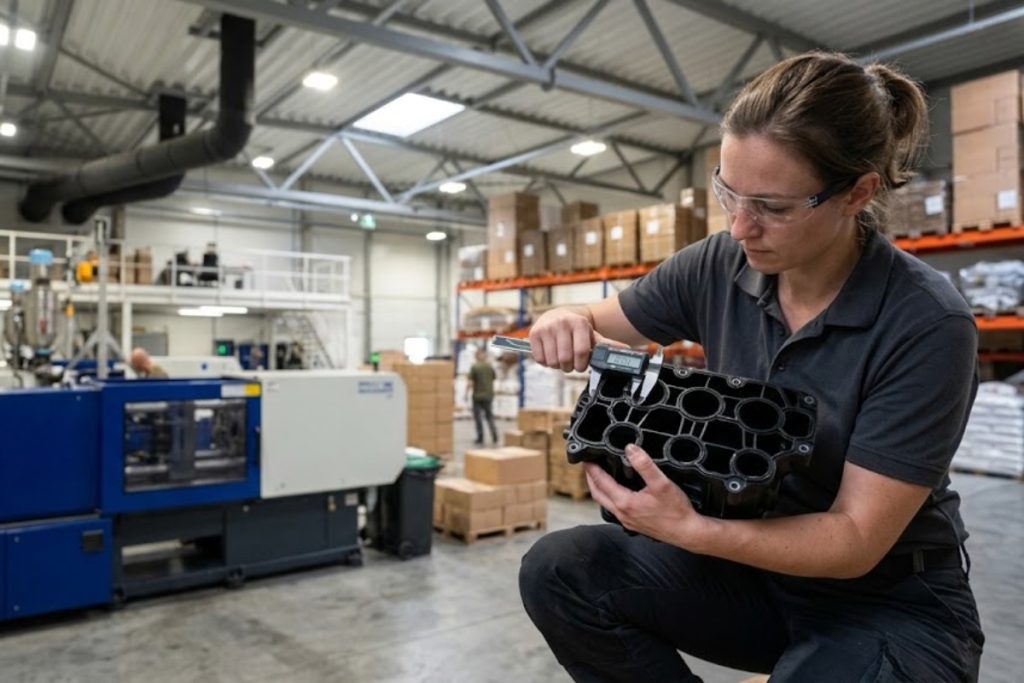
Quality control forms an essential part of any injection moulding project, particularly where components must meet strict dimensional, cosmetic, or performance requirements. Inspection activities help ensure that parts are produced consistently and in accordance with the agreed specification.
The level of inspection varies depending on the application. A simple consumer product may require routine visual inspections and dimensional checks, whereas automotive, medical, aerospace, or electronics components may require comprehensive measurement, traceability documentation, material certification, and process validation.
Whilst these measures increase production costs, they help minimise the risk of defects and costly quality issues further down the supply chain.
Scrap Rate in Injection Moulding Production
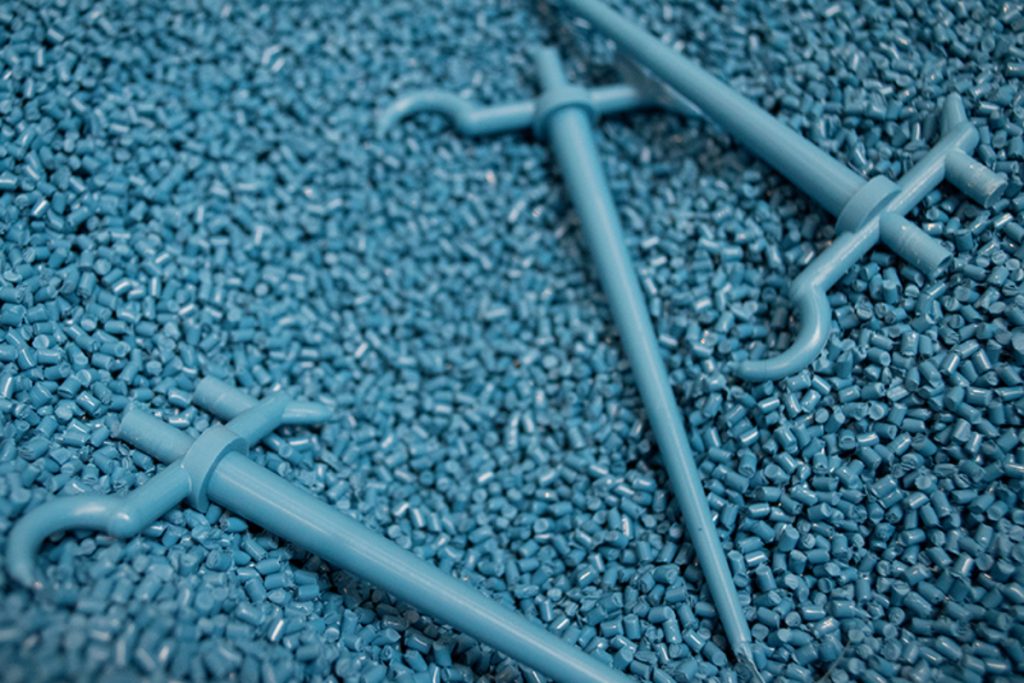
Not every component produced during an injection moulding process will ultimately be delivered to the customer. Parts may be rejected due to cosmetic defects, dimensional variation, short shots, flash, warping, contamination, or other quality-related issues. This is commonly referred to as the scrap rate.
Even relatively small increases in scrap can noticeably affect manufacturing costs. Every rejected part represents wasted material, machine time, labour, and energy.
Manufacturers therefore invest in process optimisation, tool maintenance, material preparation, and quality control to minimise waste and maximise yield. Reducing defect rates can substantially improve profitability and lower the effective cost of each acceptable component.
Labour Requirements in Injection Moulding Production
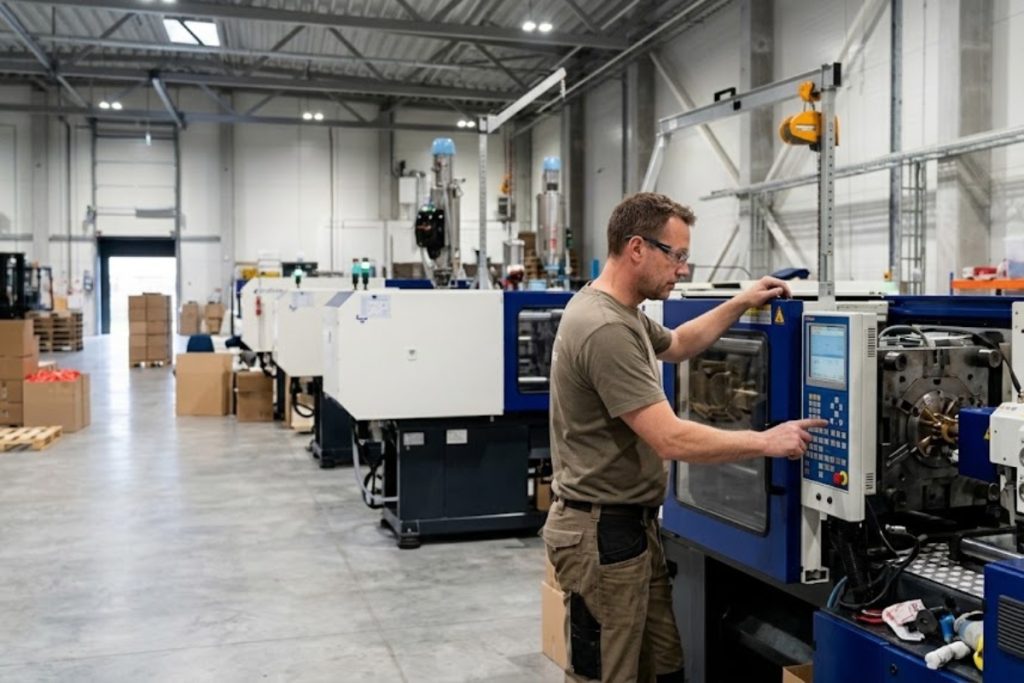
Despite injection moulding having many automated processes, labour costs remain an important part of the overall costs. Some moulds that are not automatic in their operation require manual labour to process them.
Labour costs can also include mould setup, monitoring, quality control, tool changes, inspections, and maintenance. Skilled personnel remain necessary to oversee machine operation and ensure consistent production.
The level of labour involvement varies depending on project complexity and the degree of automation employed. High-volume production often utilises automated handling and inspection systems, whereas lower-volume or specialised projects may rely more heavily on manual processes. Assembly, packaging, quality control, and secondary operations can also contribute to labour costs.
Gate Positioning and Flow Considerations in Injection Moulding
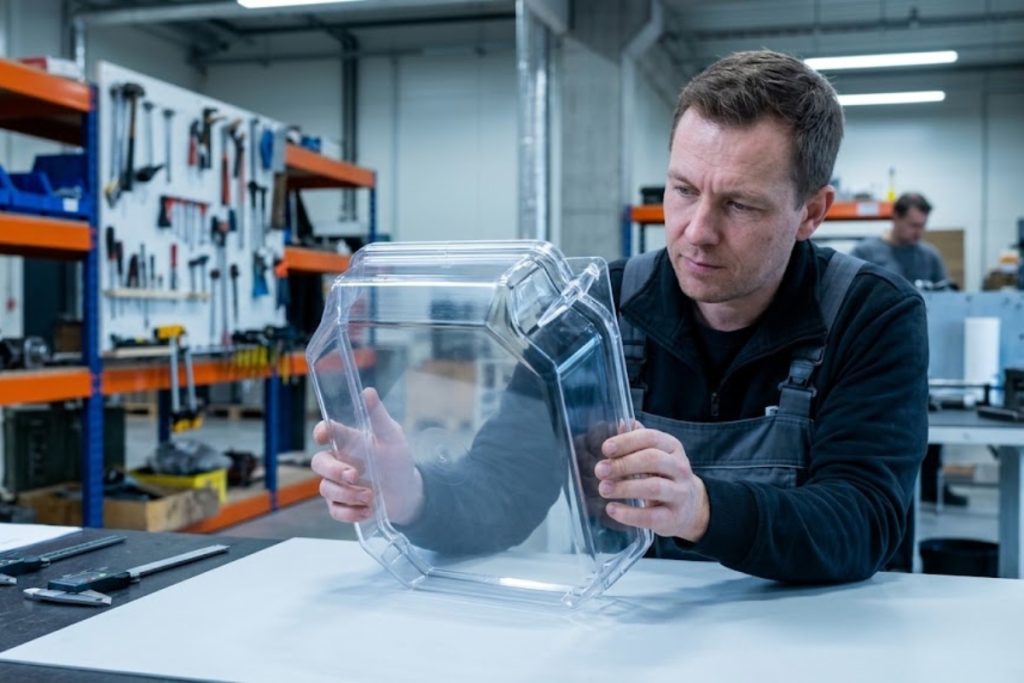
In parts that are opaque, it is much easier to hide the position of the gate. However, on transparent parts the gate is more visible, making its position particularly important, as gate marks, flow fronts, and weld lines can all be visible in the finished product.
Tool designers must therefore carefully consider part aesthetics during the design and prototyping stages. This is also an area where mould flow analysis can be particularly valuable.
Toolmakers can counteract these issues by carefully selecting the gate position to ensure it is conducive to the flow of plasticised polymer within the cavity. Hot runner systems and additional effort during mould development can also help minimise visible defects.
These considerations can increase tooling complexity and development costs, but addressing them during the design stage can help avoid costly modifications and quality issues later in the project.
At Entech Group, we support clients in reviewing and refining designs to reduce unnecessary complexity, improve manufacturability, and align performance with cost targets. As an engineering partner, we can take a project from early development through to a production-ready injection moulded product, encompassing product design, mould engineering, prototyping, manufacturing, and assembly.
We operate as a one-stop shop for injection moulding, providing consistency and control throughout the process. Our engineers, designers, tooling specialists, and project managers work closely with clients to develop efficient tooling strategies, maintain quality, and meet project deadlines whilst avoiding unnecessary costs and delays.
Above all, we value close collaboration, ensuring that each project is delivered with technical accuracy, reliability, and a clear focus on the client’s requirements.