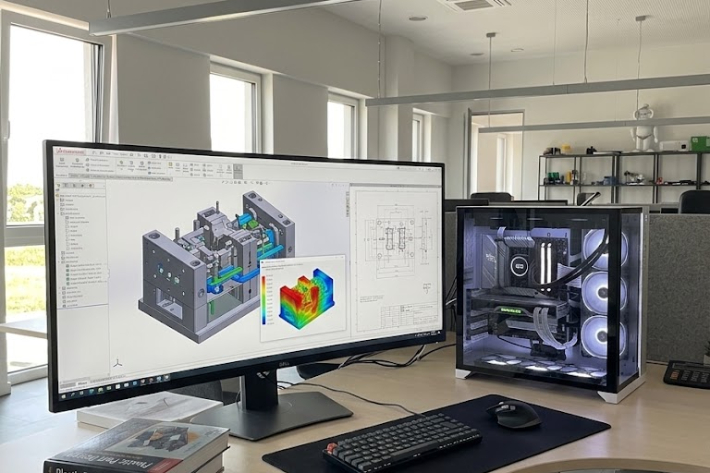
Choosing the right manufacturing partner is one of the most important decisions a company can make.
When you trust another company to manufacture your product, its work becomes part of your brand. Product quality, delivery times, and supply reliability all affect how customers see your business.
This guide explains the key areas to assess when choosing a manufacturing partner for plastic injection moulding projects.
What should you look for in a plastic injection moulding manufacturer?
When choosing a plastic injection moulding partner, assess their:
- Quality management systems and inspection processes
- Technical expertise and Design for Manufacture (DFM) capabilities
- Material sourcing and traceability
- Industry-specific certifications and compliance
- Tooling design and preventive mould maintenance
- Supply chain reliability and contingency planning
- Confidentiality and intellectual property protection
- Communication and project management
- Ability to optimise production costs
The right manufacturing partner should do more than produce parts to specification. They should help identify manufacturing risks early, improve product quality, control costs, and deliver consistently throughout the life of the project.

Product Quality and Consistency
The first thing to assess is the quality and consistency of a manufacturer’s work.
A reliable manufacturer should make parts that meet your required specifications, tolerances, and quality standards. They should also have their own strict internal quality standards.
Strong quality control processes help manufacturers produce consistent results. Recognised quality systems, such as ISO 9001, can also support better planning, sourcing, manufacturing, and delivery.
Research shows that ISO 9001 can provide major management benefits. These include:
- Better planning and sourcing
- More efficient manufacturing and delivery
- Shorter lead times
- Less rework and waste
- Fewer customer complaints
- More consistent quality
- Support for continuous improvement
Consistent production also reduces defects during manufacturing. This lowers the need for rework and helps build trust in the manufacturer’s ability to deliver reliable, high-quality components.
When assessing a potential partner, ask how they measure quality, how they handle defects, and how they track improvements over time.
Project Confidentiality
Confidentiality is another important part of the supplier evaluation process.
Ask how the manufacturer protects your design files, technical drawings, product data, and other confidential information.
It is standard practice for manufacturers to sign Non-disclosure Agreements (NDAs). An NDA helps protect your intellectual property and proprietary information from being shared without permission.
However, signing an NDA is only one part of good information security. A strong manufacturing partner should also have clear internal procedures for:
- Storing design files
- Controlling access to confidential information
- Protecting technical drawings
- Managing digital and physical documents
- Limiting access to sensitive project data
A good partner should be able to explain these procedures clearly.
Technical Experience and Expertise
A manufacturing partner can add much more value than simply producing parts.
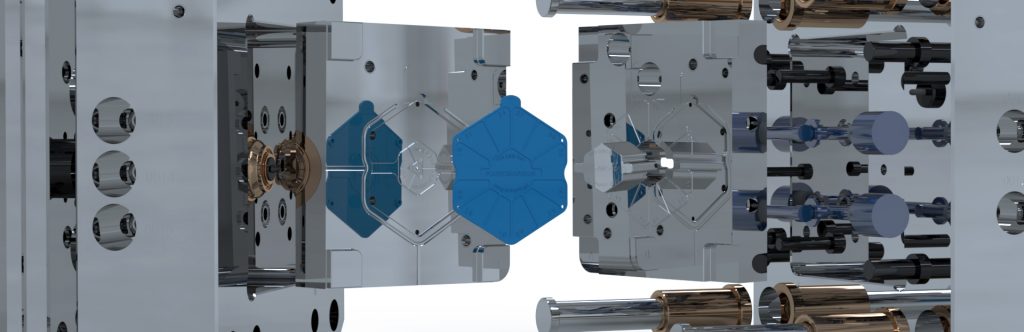
The best partners can also help you make better decisions before production begins. Their engineers can review your design and identify potential manufacturing problems before they become expensive issues.
An experienced engineering team can provide guidance on:
- Product design
- Material selection
- Mould design
- Tooling
- Production methods
- Manufacturing costs
- Potential quality problems
This work is often called Design for Manufacture (DFM). DFM means reviewing a product design to make sure it can be manufactured efficiently, cost-effectively, and with consistent quality.
Good DFM can reduce the risk of production problems and costly design changes later.
Key DFM Considerations
Uniform Wall Thickness
Consistent wall thickness is important in injection moulding.
Uneven wall thickness can cause:
- Warping
- Sink marks
- Uneven cooling
- Other quality problems
If changes in wall thickness are needed, features such as fillets or chamfers can help create a smoother transition and reduce sudden changes.
Draft Angles
Draft angles create a slight taper on vertical surfaces. This allows the finished part to come out of the mould more easily.
Without enough draft, the part can scrape against the metal mould during removal. This can cause surface damage and reduce product quality.
A manufacturing partner should be able to identify draft issues during the design review and recommend suitable changes.
Rib and Boss Design
Ribs strengthen a plastic part without requiring a major increase in wall thickness.
Bosses are raised features that can support assembly or fastening.
Both features need to be designed correctly. Poor rib and boss design can cause warping, shrinkage, and slow cooling.
Smarter Production, Lower Costs
A manufacturer’s knowledge is especially valuable before production begins.
An experienced partner can identify ways to:
- Improve the manufacturing process
- Reduce material waste
- Improve production cycles
- Select suitable tooling solutions
- Reduce the risk of defects
- Lower long-term manufacturing costs
Mould design is one example.
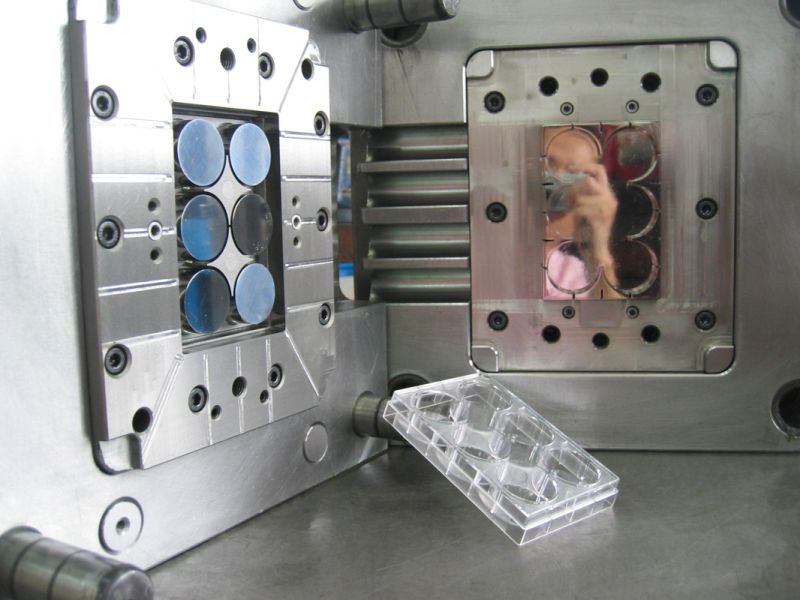
A well-designed mould helps molten polymer flow through the tool more effectively. It also supports good runner placement and can reduce potential defects.
These decisions require practical manufacturing experience. A knowledgeable manufacturing partner can use that experience to improve efficiency, reliability, and cost-effectiveness.
The result can be lower production costs and fewer expenses caused by quality problems.
Quality Assurance and Compliance
Quality assurance and compliance are essential in plastic injection moulding.
A manufacturer should have strong inspection procedures throughout the production process. These checks help identify problems early and maintain consistent product quality.
Depending on the project, inspections may include:
- Raw material checks
- Dimensional testing
- In-process inspections
- Final product inspections
- Product performance checks
Strong quality control helps manufacturers reduce production risks and improve product performance.
It also gives customers greater confidence that their moulded products will meet the required standards for durability, reliability, and performance.
Industry-Specific Quality Standards and Certifications
The certifications held by a manufacturer are important, especially when a product must meet specific industry standards.
ISO 9001 provides a recognised framework for quality management. It is designed to work with organisations of different sizes and can help create greater consistency in how a business operates.
However, ISO 9001 alone may not be enough for every industry.
Before choosing a supplier, check whether the manufacturer has the experience, certifications, and processes required for your specific market.
Different industries can have different requirements for quality, documentation, testing, and product validation.

Material Sourcing & Traceability
The material used in an injection moulded part has a major effect on its performance, durability, and reliability.
Choosing the right polymer is important. However, the manufacturer must also make sure that the correct material is used throughout production.
Material traceability allows a manufacturer to track the source, batch number, and certification of the resin used to make a product.
This creates a clear link between production records and specific raw material batches.
If a quality problem occurs, traceability makes it easier to:
- Find the source of the problem
- Identify affected production batches
- Investigate the issue
- Take corrective action
Incoming materials should also be checked before they enter production.
Depending on the material and application, checks may include:
- Reviewing supplier certificates
- Confirming the material grade
- Checking moisture content
- Confirming storage conditions
- Checking that the material has been stored correctly
Good material control reduces the risk of using the wrong material.
It also helps maintain consistent mechanical, thermal, and dimensional performance during manufacturing.
Supply Chain Reliability
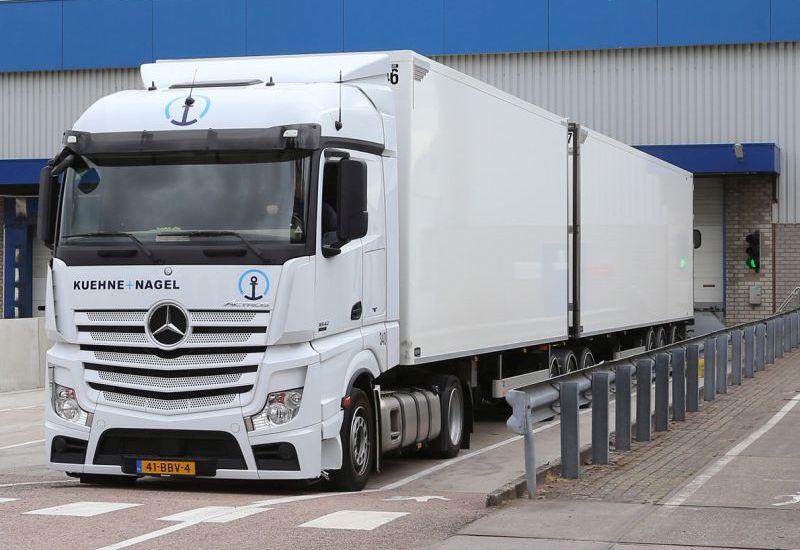
A manufacturer’s location and supply chain can have a major effect on project reliability.
Manufacturing and supply chains are going through major changes. Sustainability needs and digital technology are changing how companies approach production and value creation.
Reliable access to materials, tooling specialists, and logistics providers can help manufacturers manage problems such as:
- Material shortages
- Transport delays
- Changes in material availability
- Supplier disruptions
- Production delays
Recent events have also changed how companies view their supply networks.
In the past, businesses often focused mainly on efficiency and cost. Today, many companies must balance cost with performance, resilience, and sustainability.
A strong manufacturer should actively manage its supplier relationships. This includes good planning, inventory control, and clear communication with suppliers.
Manufacturers with established supply networks are often better prepared to respond to changes in customer demand. They can also maintain production schedules and reduce the risk of expensive disruptions.
This gives customers greater confidence that their projects will be delivered:
- On time
- To specification
- Without unnecessary delays
Resilience experts also point to the value of contingency planning, diversified operations, and strong financial resilience. These factors can help companies manage periods of disruption and recover more effectively.
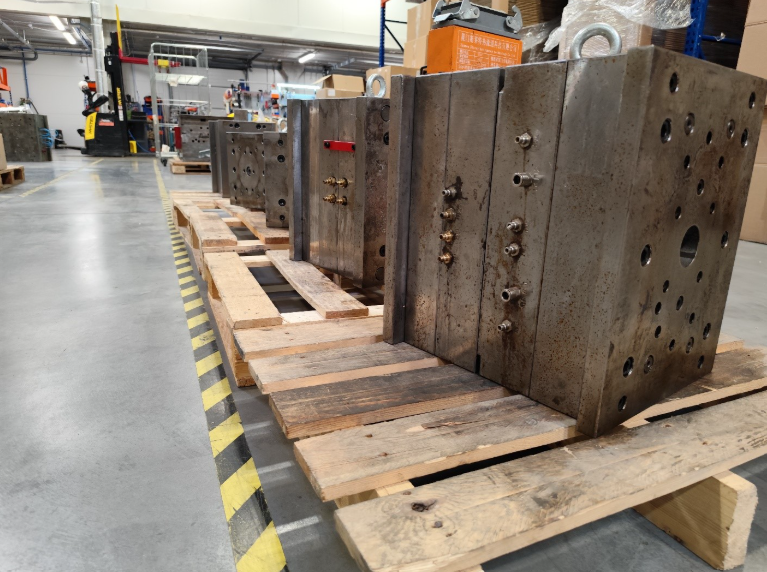
Tooling Maintenance
Customers should also ask how a manufacturer manages moulds throughout their service life.
Moulds are precision-engineered assets. They need regular preventive maintenance to maintain dimensional accuracy and surface finish.
Routine maintenance may include:
- Cleaning
- Lubrication
- Inspection of wear surfaces
- Replacement of damaged components
- Checking cooling channels
- Checking ejector systems
Preventive maintenance is important because a mould problem can cost much more than the repair itself.
Missed or delayed maintenance can lead to:
- Poor-quality parts
- Unplanned downtime
- Emergency repairs
- Production delays
- Increased costs
- Serious mould damage
- Shorter mould life
A strong preventive maintenance programme should not rely only on a calendar.
When a mould reaches its maintenance threshold, it should be removed from production for service. Skipping routine maintenance creates risks that can build over time.
Use Maintenance Data
Good maintenance programmes also use documented data.
Each maintenance event should be recorded against a specific mould. This creates a history of its performance, repairs, and wear.
Over time, this information can show:
- Repeated problems
- Component life cycles
- Common wear patterns
- Likely failure points
- The right time for future maintenance
This allows manufacturers to adjust maintenance schedules and focus on the areas that need attention most.
Without proper maintenance, mould wear can gradually reduce part quality. It can also increase cycle times and eventually lead to expensive repairs or production downtime.
Manufacturers should also have suitable storage procedures for moulds that are not in production.
Controlled storage can help prevent corrosion, contamination, and accidental damage. This helps extend the working life of the tooling.
Communication and Project Management
Good communication is closely linked to successful project delivery and customer satisfaction.
Technical expertise and manufacturing capacity are important. However, they work best when supported by clear communication at every stage.
From the first design discussion through tooling, production, and delivery, a good manufacturing partner should provide regular updates.
Clear milestones help both sides understand:
- What has been completed
- What happens next
- When key decisions are needed
- Whether the project remains on schedule
- Where potential problems may exist
Technical communication is also important.
Not every customer will have detailed knowledge of injection moulding or manufacturing processes. A good manufacturing partner should explain technical subjects in clear, practical language.
This helps customers make informed decisions without needing to become manufacturing experts themselves.
Strong communication can reduce misunderstandings, build trust, and create a smoother project from product concept through to production.
Conclusion: Building a Strategic Manufacturing Partnership
Choosing a manufacturing partner is more than a simple supplier decision. It can have a direct effect on the success of your product and your brand.
When evaluating potential partners, look at the full picture:
| Area | What to Assess |
|---|---|
| Quality | Quality systems, inspections, consistency, and defect control |
| Confidentiality | NDAs, data protection, and control of design information |
| Technical expertise | Engineering support, DFM, material selection, and tooling knowledge |
| Cost optimisation | Process improvements, waste reduction, and efficient tooling |
| Compliance | Relevant industry standards and certifications |
| Material traceability | Material source, batch records, and incoming material checks |
| Supply chain | Supplier networks, logistics, inventory, and contingency planning |
| Tooling maintenance | Preventive maintenance, records, storage, and mould life |
| Communication | Project updates, milestones, technical guidance, and responsiveness |
The best manufacturing partners do more than meet specifications.
They help prevent problems before production. They provide technical guidance. They protect your intellectual property. They manage quality and supply risks. Most importantly, they become invested in your success.
Don’t just evaluate manufacturing capabilities. Evaluate commitment.
At Entech Group, we take projects from design to production, helping clients optimise designs for manufacturability, quality, and cost. Our integrated expertise in product design, tooling, prototyping, injection moulding, and assembly ensures efficient, reliable delivery from start to finish.