Why ISO Certification Matters When Choosing an Injection Molding Partner
What Is ISO? The International Organization for Standardization (ISO) is an independent, non-governmental international organization that brings together national standards bodies from countries around the world. ISO develops international standards covering products, processes, services, management systems, and many other areas of business and industry. ISO has been developing international standards since 1947. Today, its standards
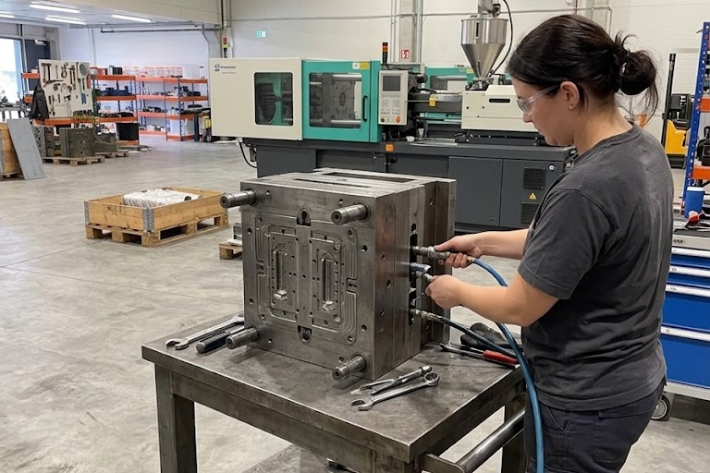
Injection Moulding Lead Times: An Entech Group Guide
Lead times play a crucial role in any manufacturing project, making it essential to understand the timelines associated with different types of injection moulding moulds for effective production planning and scheduling. Whether you’re introducing a new product, validating a design, or gearing up for high-volume manufacturing, having a clear idea of the expected lead times
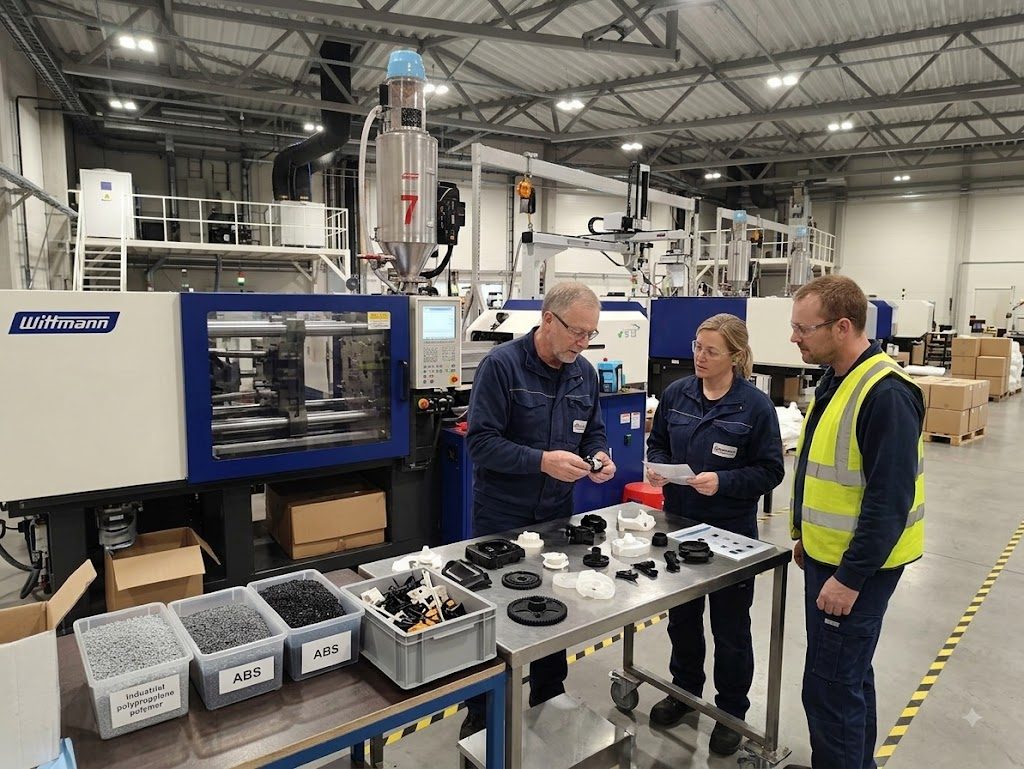
How to Reduce Plastic Injection Moulding Costs Without Compromising Quality
Reducing production costs is more often than not an important consideration for clients that are planning to enlist the manufacturing services of plastic injection moulding companies like ourselves. Finding the balance between bringing about a reduction in production costs whilst maintaining an expected level of quality is a balancing act that companies frequently navigate. Design for Manufacturing Principles (DFM) These are principles that are commonplace in engineering and product
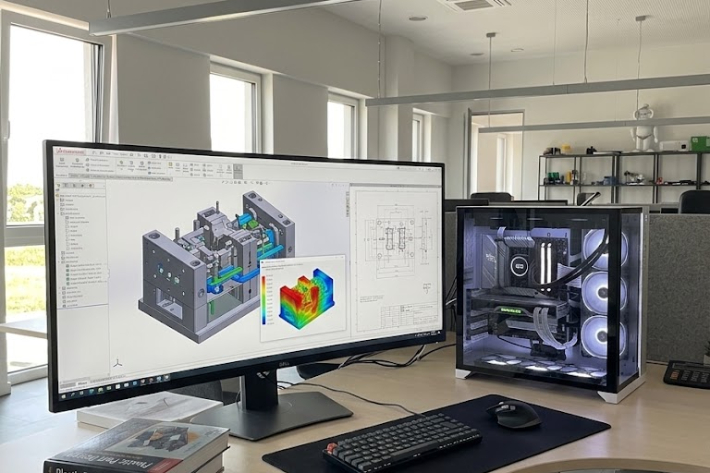
What to Look for in a Plastic Injection Moulding Manufacturer
Choosing the right manufacturing partner is one of the most important decisions a company can make. When you trust another company to manufacture your product, its work becomes part of your brand. Product quality, delivery times, and supply reliability all affect how customers see your business. This guide explains the key areas to assess when
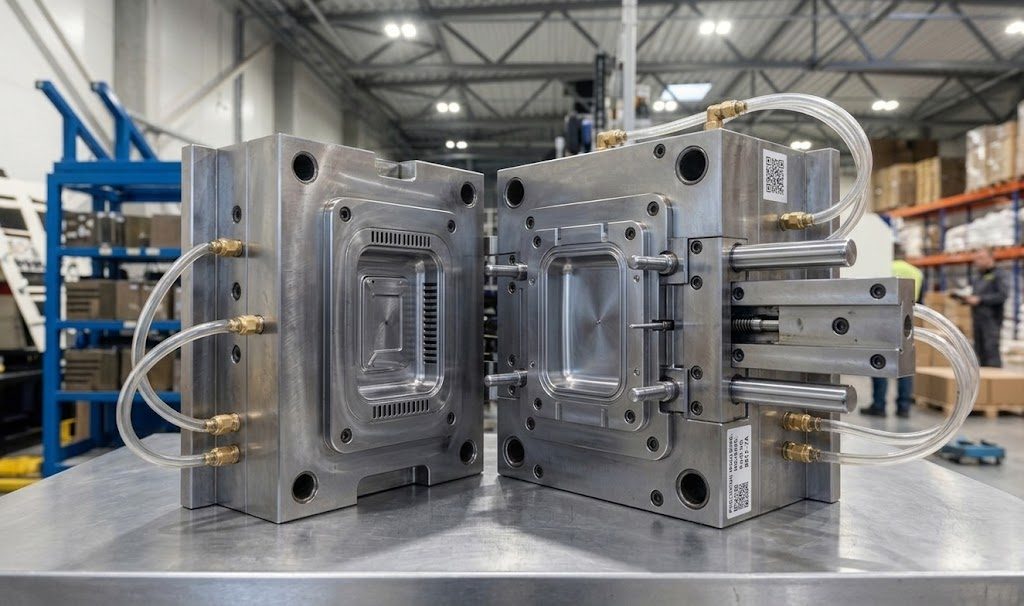
What Drives the Cost of Injection Moulding? A Complete Guide
Introduction Plastic injection moulding is employed extensively by companies across the world, largely because of its high repeatability, consistency during production cycles, and relative affordability, particularly at higher production volumes. This affordability is largely due to economies of scale, as the initial setup and tooling costs can be spread across hundreds or even thousands